Sabtu, 16 November 2024

How to Prevent Septic Tank Smells in the Bathroom

How to Prevent Septic Tank Smells in the Bathroom

Banishing Bathroom Odors: A Guide to Preventing Septic Tank Smells

Imagine this: you're relaxing in your bathroom, enjoying a peaceful moment, when a whiff of something unpleasant hits your nose. It's that unmistakable septic tank smell, and it's enough to turn your serene sanctuary into a stinky nightmare. Fear not! While a septic system is a vital part of your home's plumbing, conquering those lingering odors is achievable. With the right knowledge and a few proactive steps, you can reclaim your bathroom's fresh scent and banish those pesky septic tank smells for good.

Understanding the Root of the Problem

To effectively tackle septic tank smells, you need to grasp the source of the issue. When sewage decomposes in your septic tank, it releases gases, including hydrogen sulfide, which is the culprit behind that unpleasant rotten egg smell. These gases can escape through various ways, like cracks in the tank, vent pipes, or even the drain lines leading from your bathroom fixtures.

Preventative Measures to Eliminate Odors

Fortunately, there are numerous preventative measures you can take to keep those septic tank smells at bay. These strategies can address the potential escape routes for the gases and promote a healthier septic system overall.

Seal Cracks and Leaks

The first line of defense is to ensure your septic system is in good shape. Regularly inspect your septic tank for any cracks or leaks. If you discover any, promptly contact a qualified septic system professional for repairs. A sealed tank will significantly reduce the chances of gases escaping into your bathroom.

Maintain a Healthy Septic System

A healthy septic system is a crucial part of preventing odors. Avoid overloading your tank by limiting the amount of waste you send down the drain. Things like excessive amounts of grease, oil, and certain cleaning products can harm your septic system and lead to odor issues. Consider using septic-safe products and avoid flushing items like wipes, paper towels, and feminine hygiene products down the toilet.

Inspect and Clean the Vent Pipe

The vent pipe, which typically extends through your roof, plays a critical role in releasing gases from your septic tank. Ensure this pipe is free of obstructions and in good condition. Periodically inspect the vent pipe and clean it if necessary to prevent blockages. A properly functioning vent pipe is essential for maintaining a balanced pressure within your septic system, minimizing the potential for odor problems.

Don't Ignore Plumbing Issues

Any leaks or clogs in your bathroom plumbing, particularly in the drain lines, can contribute to septic tank odors. Promptly address any plumbing problems, such as leaky faucets, slow drains, or running toilets, to avoid potential backups and gas buildup.

Consider a Septic Tank Additive

Septic tank additives can help break down waste and improve the overall efficiency of your system. Look for products specifically designed for septic systems and follow the manufacturer's instructions. These additives can help prevent unpleasant smells and keep your septic system working smoothly.

Preventative Maintenance is Key

The most effective way to prevent septic tank odors is to schedule regular inspections and maintenance for your septic system. A qualified professional can assess the condition of your tank, pump it if necessary, and perform any necessary repairs. Regular maintenance helps ensure your system is operating optimally, minimizing the risk of odors and extending its lifespan.

Reclaiming Your Bathroom's Fresh Scent

By taking these preventative measures, you'll significantly reduce the chances of septic tank odors invading your bathroom. Remember, a proactive approach is the key to maintaining a fresh-smelling bathroom and a well-functioning septic system. If you ever notice a strong septic tank odor, don't hesitate to consult a qualified septic system professional for an assessment and any necessary repairs.

Share:

Kamis, 14 November 2024

Septic Tank Smells? Here’s How to Treat and Prevent the Odor

Septic Tank Smells? Here’s How to Treat and Prevent the Odor

Septic Tank Smells? Here’s How to Treat and Prevent the Odor

A septic system is a vital part of any home that doesn't have access to public sewer lines. However, a poorly functioning septic system can lead to a variety of problems, including unpleasant odors. If you're dealing with septic tank smells, you're not alone. This issue is common and often easily remedied. This article will guide you through the common causes, solutions, and prevention tips for eliminating those unwanted aromas.

Understanding the Source of the Septic Tank Smell

The culprit behind that foul smell is often hydrogen sulfide gas, a byproduct of the decomposition process happening within your septic tank. This gas can escape into the air through various pathways, including:

  • Vent Pipes: The vent pipe is crucial for releasing gases from the septic tank and preventing pressure buildup. If the vent pipe is clogged or damaged, gas can escape through other openings.
  • Drain Field: If the drain field is overloaded or malfunctioning, it can't properly filter wastewater, resulting in backup and odor.
  • Leaky Pipes: Cracked or damaged pipes in your plumbing system can allow wastewater to leak into surrounding soil, creating a breeding ground for bacteria and unpleasant odors.
  • Improperly Sealed Components: Faulty seals around the septic tank lid, drain field, or vent pipe can create openings for gas to escape.

Treating Septic Tank Smells: A Step-by-Step Guide

Tackling septic tank smells requires a multi-pronged approach:

1. Identify the Source

Before you jump into solutions, it's crucial to pinpoint the source of the odor. Inspect your vent pipe for blockages, check for cracks in your plumbing system, and investigate the drain field for any signs of flooding or pooling water. This will help you determine the most effective course of action.

2. Address the Vent Pipe

If the vent pipe is clogged, it needs immediate attention. You can try clearing the blockage yourself by using a long, flexible snake or by calling a professional plumber. A damaged vent pipe needs to be repaired or replaced by a licensed plumber.

3. Clean the Drain Field

An overloaded drain field can lead to backups and odor. If your drain field is consistently flooded, it may need to be cleaned or even replaced. A professional septic system inspector can assess your drain field and recommend appropriate solutions.

4. Repair Leaky Pipes

Any leaking pipes need to be fixed promptly. A plumber can identify and repair leaks, preventing wastewater from seeping into the soil and generating foul odors.

5. Inspect and Seal Components

Ensure all components are properly sealed. Check the septic tank lid, the drain field, and the vent pipe for any gaps or cracks that could be allowing gases to escape. If necessary, use sealant or caulk to close any openings.

6. Septic Tank Additives

Septic tank additives can help break down waste more efficiently, reducing the buildup of gases and odors. These additives are available at most hardware stores. Follow the manufacturer's instructions carefully.

7. Call a Professional

If you're unsure about the source of the smell or the best course of action, don't hesitate to call a professional septic system inspector or plumber. They have the expertise to diagnose problems and recommend appropriate solutions.

Preventing Septic Tank Smells

Prevention is key to avoiding unpleasant odors. Here are some simple tips to keep your septic system running smoothly:

  • Avoid Flushing Non-Biodegradable Items: Avoid flushing items like wipes, paper towels, and feminine hygiene products down the toilet. These items don't break down easily and can clog your system.
  • Minimize Water Usage: Take shorter showers, use less water when washing dishes, and be mindful of water consumption to prevent overloading your system.
  • Schedule Regular Inspections: Have your septic system inspected every 3 to 5 years by a qualified professional to ensure it's functioning correctly and to identify potential problems early on.
  • Pump Your Tank Regularly: Follow your septic system maintenance schedule and pump out the tank every 3 to 5 years to prevent sludge buildup and potential backups.

Addressing septic tank smells can be straightforward with the right approach. By understanding the causes, taking the necessary steps to treat the problem, and implementing preventative measures, you can keep your septic system functioning optimally and eliminate those unpleasant odors from your home.

Share:

Is Your Septic Tank Causing Odors in Your Home? Here's How to Fix It

Is Your Septic Tank Causing Odors in Your Home? Here's How to Fix It

Is Your Septic Tank Causing Odors in Your Home? Here's How to Fix It

Ugh, that smell! You know the one, right? That faint, pungent odor that seems to linger in the air, especially in your bathroom or kitchen. It's not a pleasant experience, and chances are, your septic tank might be the culprit. But don't worry, you're not alone! Many homeowners face this issue, and there are ways to tackle it head-on.

In this guide, we'll dive into the reasons why your septic tank might be causing those unpleasant odors and provide you with practical solutions to banish those smells for good. So, grab a cup of coffee, get comfy, and let's get started!

Understanding the Septic System: A Quick Tour

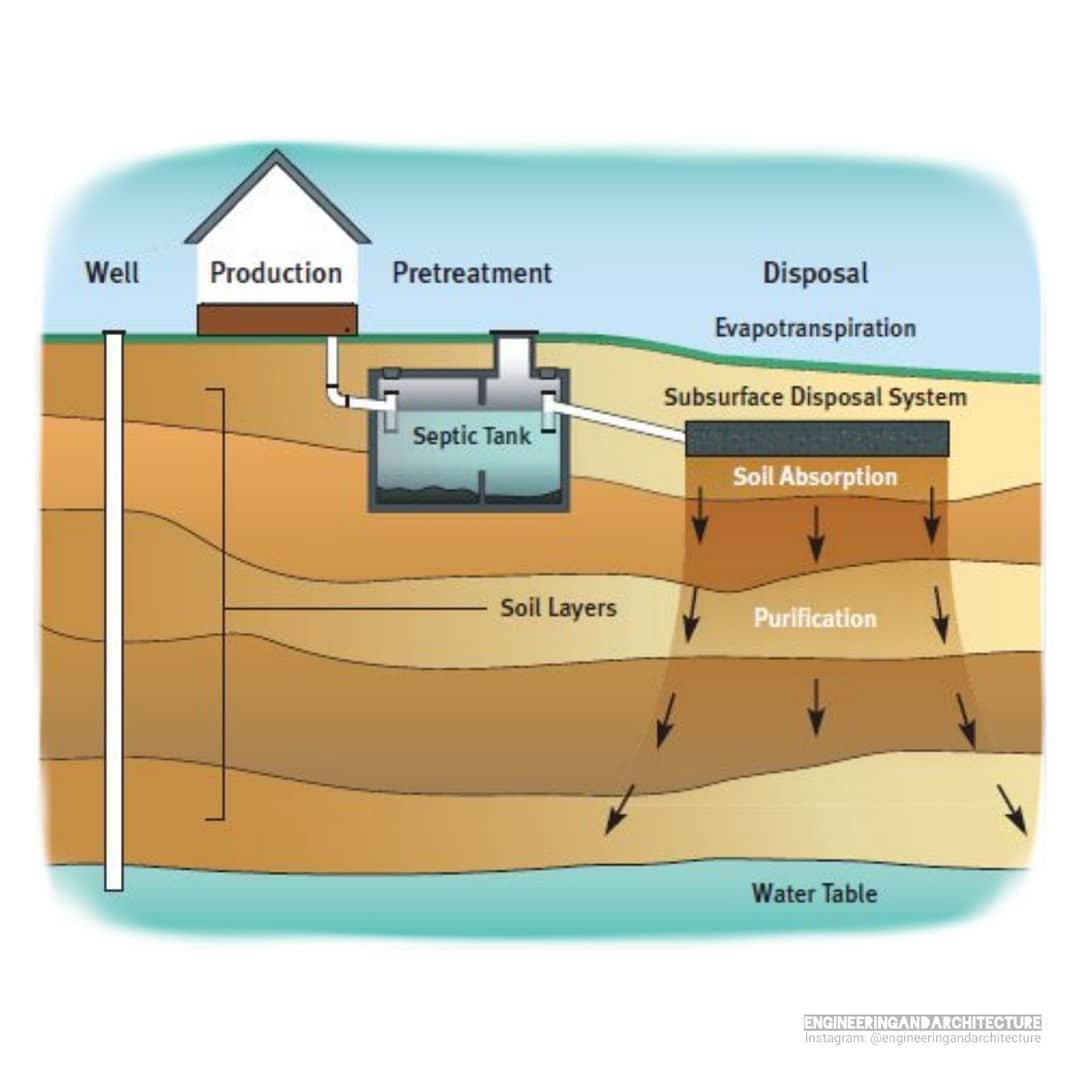
First things first, let's quickly understand how a septic system works. It's like a miniature wastewater treatment plant right in your backyard! Wastewater from your home flows into a septic tank, where solids settle to the bottom, forming sludge, while lighter materials like grease and oil rise to the top, forming scum.

After spending some time in the septic tank, the partially treated water is then discharged into a drain field (also known as a leach field) consisting of perforated pipes buried underground. This drain field allows the treated wastewater to filter through the soil, removing any remaining contaminants.

The Culprits: Why Your Septic Tank Might Be Stinky

Now, let's get to the root of the issue. Why are those odors infiltrating your home? The answer often lies in a few key factors:

1. A Full Septic Tank

Imagine your septic tank as a bathtub. When it gets full, it's bound to overflow, right? Similarly, when your septic tank becomes full, the solid waste and bacteria start decomposing, releasing those unpleasant odors. This is why regular septic tank pumping is crucial.

2. Drain Field Problems

The drain field is where the treated wastewater goes after the septic tank. If it becomes clogged or damaged, it can't filter the wastewater efficiently, leading to backups and those unwelcome odors. Tree roots growing into the drain field can also cause issues.

3. Leaky Pipes

If your plumbing system has leaks, particularly in the sewer line, it can create a pathway for those septic odors to seep into your home. It's like a hidden tunnel allowing those smells to infiltrate your space.

4. Vent Stack Issues

Every septic system has a vent stack, a pipe that extends above the roofline to release gases from the septic tank. If this vent stack becomes clogged or damaged, it can trap those gases, causing them to find their way into your home.

The Solution: How to Banish Septic Odors

Now that we've identified the culprits, let's get those septic smells out of your home! Here's a step-by-step approach:

1. Get Your Septic Tank Pumped

This is the most crucial step. Regular pumping prevents your tank from overflowing and minimizes the risk of odors. The frequency depends on your household size and water usage, but generally, pumping every 3-5 years is a good starting point.

2. Inspect the Drain Field

If your drain field isn't working properly, it can lead to backups and odors. A professional septic inspector can check for clogs, damage, or root intrusion. They might recommend repairs, replacements, or even adding a new drain field.

3. Fix Leaky Pipes

A leaking pipe in your plumbing system is a direct pathway for those odors. Get a plumber to inspect and repair any leaks you might have. It might save you a lot of trouble in the long run.

4. Check the Vent Stack

Make sure your vent stack is clear of debris and obstructions. If it's damaged, it might need to be repaired or replaced. This will ensure proper ventilation and prevent the buildup of gases.

5. Use Septic Tank Additives

Septic tank additives are formulated to break down waste, control odors, and promote a healthier septic system. Look for products that are safe for your septic system and follow the instructions carefully.

6. Preventative Measures

Here are some simple tips to prevent odors and keep your septic system running smoothly:

  • Avoid flushing anything other than toilet paper down the toilet. This includes wipes, paper towels, and feminine hygiene products.
  • Use less water-consuming appliances. Install low-flow showerheads and toilets to reduce the amount of wastewater entering your septic system.
  • Be cautious with harsh chemicals. Avoid pouring bleach, drain cleaners, and other harsh chemicals down the drain, as they can harm the beneficial bacteria in your septic tank.
  • Don't pour grease down the drain. It can solidify and create clogs in your septic tank and drain field.
  • Monitor your system. If you notice any unusual odors, changes in water flow, or signs of backups, get your septic system inspected by a professional.

Commonly Asked Questions

1. How Often Should I Pump My Septic Tank?

The frequency of septic tank pumping depends on your household size, water usage, and the size of your tank. A general rule of thumb is every 3-5 years, but it's best to consult a professional to determine the appropriate schedule for your specific needs.

2. What are Some Signs of Septic Tank Problems?

Besides those annoying odors, other signs include:

  • Slow draining toilets or sinks
  • Gurgling sounds in your plumbing system
  • Water bubbling up in your toilet bowl
  • Wet spots in your yard
  • Sewage backing up into your home

If you notice any of these signs, don't delay! Call a professional septic inspector to diagnose the issue and recommend a solution.

3. Can I Use Septic Tank Additives?

Yes, septic tank additives can be beneficial in maintaining your septic system. They can help break down waste, control odors, and promote a healthier environment for the beneficial bacteria in your tank. However, it's essential to choose additives that are specifically designed for septic systems and follow the instructions carefully.

4. How Do I Know If My Drain Field Is Clogged?

A clogged drain field can cause a number of issues, including backups and odors. Signs of a clogged drain field include:

  • Wet spots in your yard
  • Slow draining toilets or sinks
  • Sewage backups in your home

If you suspect a clogged drain field, it's crucial to call a professional for inspection and repair.

5. How Much Does It Cost to Pump a Septic Tank?

The cost of pumping a septic tank can vary depending on your location, the size of your tank, and the accessibility of the tank. It's best to get quotes from several septic service providers to compare prices and find the best option for your budget.

Remember, a well-maintained septic system is essential for a healthy and odor-free home. By following these tips and seeking professional help when needed, you can keep your septic system in top shape and avoid those unpleasant smells.

Share:

Rabu, 13 November 2024

DIY Septic Tank Maintenance: How to Create Your Own Treatment

DIY Septic Tank Maintenance: How to Create Your Own Treatment

DIY Septic Tank Maintenance: How to Create Your Own Treatment

Alright, let's talk septic tanks! You know that big, mysterious hole in the ground that handles all your household waste? Yeah, that one. It's actually pretty amazing how it breaks down everything you flush and send down the drain, but it needs a little TLC to keep running smoothly. You can definitely call in a professional, but hey, who doesn't love a good DIY project? This guide will walk you through the basics of septic tank maintenance, so you can keep your system humming without breaking the bank.

First things first, it's crucial to understand what's happening inside that tank. Think of it as a mini-ecosystem where bacteria are the real heroes. They break down the solids into sludge and the liquid into effluent. This effluent, or liquid, then flows into the leach field, a network of underground pipes that filters the wastewater before it returns to the environment. Now, that's a pretty efficient system, but it's important to keep things balanced.

This is where regular maintenance comes in. Think of it as your septic tank's annual checkup. You wouldn't want to skip your doctor's appointment, right? The same goes for your septic system.

The Importance of Routine Maintenance

Imagine this: You're driving your car and the engine starts sputtering. You know you haven't been changing the oil, and now you're paying the price. Same goes for your septic tank. Without regular maintenance, things can get messy (literally!), and those bacteria that are doing all the hard work might start to struggle. This can lead to clogs, backups, and even system failure. Trust me, you don't want to deal with a clogged septic tank. It's not a pleasant experience!

Regular maintenance is your key to preventing those issues. Think of it as keeping things running smoothly and efficiently. A little bit of attention goes a long way.

Here's what you need to do for basic DIY septic tank maintenance:

  • Pump It Up!: One of the most important steps in septic tank maintenance is pumping out the sludge. Think of this like emptying the trash can; you don't want it to overflow, right? The recommended frequency for pumping depends on your household size and usage, but typically every 3-5 years is a good starting point. If you have a large family or are a frequent entertainer, you might need to pump more often.
  • Inspect the System: Take a walk around your septic system and look for any signs of trouble. Are there any cracks in the tank or pipes? Is there any drainage or pooling around the system? Any signs of damage should be addressed immediately.
  • Be Mindful of What You Flush: This is a big one! Don't treat your toilet like a garbage disposal. Certain items can wreak havoc on your septic system. Things like grease, oil, coffee grounds, and even excessive paper towels can clog your pipes and cause a mess. Stick to the basics - toilet paper and human waste.
  • Don't Overdo It: Your septic system is not a washing machine! Using too much laundry detergent, especially those with harsh chemicals, can disrupt the delicate bacterial balance in your tank. Opt for eco-friendly detergents and use the recommended amount.
  • Maintain the Leach Field: The leach field is like the lungs of your septic system. It's important to keep the area around it clear of any obstructions, like trees, shrubs, or heavy landscaping. This ensures proper drainage and prevents any buildup.
  • Consider Septic Tank Additives: These can be a great way to help maintain the health of your bacteria and break down waste more efficiently. Look for additives that contain beneficial bacteria and enzymes.

Creating Your Own Treatment: Septic Tank Additives

Now, let's dive into the world of DIY septic tank treatments. While a professional can certainly help you with a more complex approach, you can also create your own natural, effective solution at home. It's all about utilizing the power of beneficial bacteria and enzymes.

Here's how you can create your own treatment using everyday ingredients:

The Basic Recipe

  • Yeast: This is a natural source of beneficial bacteria that helps break down organic matter. You can use active dry yeast, found in most grocery stores.
  • Sugar: This provides food for the yeast, allowing them to thrive and multiply. Use granulated white sugar, but you can also experiment with brown sugar or even honey.
  • Water: This is essential for activating the yeast and creating a solution that can easily be poured into your septic tank.

Instructions for Making Your Septic Tank Treatment

1. In a large container, mix together 1 cup of active dry yeast and 1 cup of sugar.

2. Add 1 gallon of warm water to the container and stir until the yeast and sugar are fully dissolved.

3. Allow the mixture to sit for about 30 minutes, giving the yeast a chance to activate.

4. Once the mixture is bubbly and frothy, you're ready to pour it into your septic tank.

5. Slowly pour the mixture into the tank, making sure to avoid spilling any on the surrounding ground.

6. Repeat this process every 2-3 months to maintain the balance of bacteria in your septic system.

Additional Tips for DIY Septic Tank Treatment

  • Experiment with Different Ingredients: You can add other ingredients to your treatment, such as molasses, baking soda, or even chopped-up fruit peels. These additions can help boost the effectiveness of your mixture.
  • Avoid Chemicals: Don't add any harsh chemicals or cleaning products to your septic tank. These can kill off the beneficial bacteria and harm your system.
  • Start Small: If you're new to DIY septic tank treatments, start with a smaller batch to see how your system reacts. You can always increase the amount as needed.
  • Listen to Your System: Pay attention to the flow of your drains. If you notice any slow drainage or clogs, consider increasing the frequency of your treatments.

Important Notes

Remember, these DIY tips are just a starting point. If you have concerns about your septic system or are dealing with major issues, don't hesitate to contact a qualified septic professional. They can provide expert advice and ensure your system is functioning properly.

Taking care of your septic tank is essential for maintaining a clean and healthy home. By following these DIY tips, you can keep your system running smoothly and avoid costly repairs. So go ahead, grab your ingredients and get started on your own septic tank treatment! Your home, and your wallet, will thank you for it.

Share:

DIY Septic Tank Maintenance: How to Create Your Own Treatment

DIY Septic Tank Maintenance: How to Create Your Own Treatment

DIY Septic Tank Maintenance: How to Create Your Own Treatment

Alright, let's talk septic tanks! You know that big, mysterious hole in the ground that handles all your household waste? Yeah, that one. It's actually pretty amazing how it breaks down everything you flush and send down the drain, but it needs a little TLC to keep running smoothly. You can definitely call in a professional, but hey, who doesn't love a good DIY project? This guide will walk you through the basics of septic tank maintenance, so you can keep your system humming without breaking the bank.

First things first, it's crucial to understand what's happening inside that tank. Think of it as a mini-ecosystem where bacteria are the real heroes. They break down the solids into sludge and the liquid into effluent. This effluent, or liquid, then flows into the leach field, a network of underground pipes that filters the wastewater before it returns to the environment. Now, that's a pretty efficient system, but it's important to keep things balanced.

This is where regular maintenance comes in. Think of it as your septic tank's annual checkup. You wouldn't want to skip your doctor's appointment, right? The same goes for your septic system.

The Importance of Routine Maintenance

Imagine this: You're driving your car and the engine starts sputtering. You know you haven't been changing the oil, and now you're paying the price. Same goes for your septic tank. Without regular maintenance, things can get messy (literally!), and those bacteria that are doing all the hard work might start to struggle. This can lead to clogs, backups, and even system failure. Trust me, you don't want to deal with a clogged septic tank. It's not a pleasant experience!

Regular maintenance is your key to preventing those issues. Think of it as keeping things running smoothly and efficiently. A little bit of attention goes a long way.

Here's what you need to do for basic DIY septic tank maintenance:

  • Pump It Up!: One of the most important steps in septic tank maintenance is pumping out the sludge. Think of this like emptying the trash can; you don't want it to overflow, right? The recommended frequency for pumping depends on your household size and usage, but typically every 3-5 years is a good starting point. If you have a large family or are a frequent entertainer, you might need to pump more often.
  • Inspect the System: Take a walk around your septic system and look for any signs of trouble. Are there any cracks in the tank or pipes? Is there any drainage or pooling around the system? Any signs of damage should be addressed immediately.
  • Be Mindful of What You Flush: This is a big one! Don't treat your toilet like a garbage disposal. Certain items can wreak havoc on your septic system. Things like grease, oil, coffee grounds, and even excessive paper towels can clog your pipes and cause a mess. Stick to the basics - toilet paper and human waste.
  • Don't Overdo It: Your septic system is not a washing machine! Using too much laundry detergent, especially those with harsh chemicals, can disrupt the delicate bacterial balance in your tank. Opt for eco-friendly detergents and use the recommended amount.
  • Maintain the Leach Field: The leach field is like the lungs of your septic system. It's important to keep the area around it clear of any obstructions, like trees, shrubs, or heavy landscaping. This ensures proper drainage and prevents any buildup.
  • Consider Septic Tank Additives: These can be a great way to help maintain the health of your bacteria and break down waste more efficiently. Look for additives that contain beneficial bacteria and enzymes.

Creating Your Own Treatment: Septic Tank Additives

Now, let's dive into the world of DIY septic tank treatments. While a professional can certainly help you with a more complex approach, you can also create your own natural, effective solution at home. It's all about utilizing the power of beneficial bacteria and enzymes.

Here's how you can create your own treatment using everyday ingredients:

The Basic Recipe

  • Yeast: This is a natural source of beneficial bacteria that helps break down organic matter. You can use active dry yeast, found in most grocery stores.
  • Sugar: This provides food for the yeast, allowing them to thrive and multiply. Use granulated white sugar, but you can also experiment with brown sugar or even honey.
  • Water: This is essential for activating the yeast and creating a solution that can easily be poured into your septic tank.

Instructions for Making Your Septic Tank Treatment

1. In a large container, mix together 1 cup of active dry yeast and 1 cup of sugar.

2. Add 1 gallon of warm water to the container and stir until the yeast and sugar are fully dissolved.

3. Allow the mixture to sit for about 30 minutes, giving the yeast a chance to activate.

4. Once the mixture is bubbly and frothy, you're ready to pour it into your septic tank.

5. Slowly pour the mixture into the tank, making sure to avoid spilling any on the surrounding ground.

6. Repeat this process every 2-3 months to maintain the balance of bacteria in your septic system.

Additional Tips for DIY Septic Tank Treatment

  • Experiment with Different Ingredients: You can add other ingredients to your treatment, such as molasses, baking soda, or even chopped-up fruit peels. These additions can help boost the effectiveness of your mixture.
  • Avoid Chemicals: Don't add any harsh chemicals or cleaning products to your septic tank. These can kill off the beneficial bacteria and harm your system.
  • Start Small: If you're new to DIY septic tank treatments, start with a smaller batch to see how your system reacts. You can always increase the amount as needed.
  • Listen to Your System: Pay attention to the flow of your drains. If you notice any slow drainage or clogs, consider increasing the frequency of your treatments.

Important Notes

Remember, these DIY tips are just a starting point. If you have concerns about your septic system or are dealing with major issues, don't hesitate to contact a qualified septic professional. They can provide expert advice and ensure your system is functioning properly.

Taking care of your septic tank is essential for maintaining a clean and healthy home. By following these DIY tips, you can keep your system running smoothly and avoid costly repairs. So go ahead, grab your ingredients and get started on your own septic tank treatment! Your home, and your wallet, will thank you for it.

Share:

How to Clean Your Septic Tank After a Clog or Overflow

How to Clean Your Septic Tank After a Clog or Overflow

How to Clean Your Septic Tank After a Clog or Overflow

A septic tank is an essential part of your home's wastewater system. It's responsible for treating wastewater from your home, separating solids from liquids, and allowing the liquid to be discharged into a drainage field. However, like any system, septic tanks can experience problems, such as clogs and overflows. These issues can be unpleasant and costly to deal with, but taking proactive steps to clean your septic tank after a clog or overflow can help prevent future problems and maintain the health of your system.

This article will guide you through the process of cleaning your septic tank after a clog or overflow, from identifying the problem to choosing the right tools and techniques. We will cover key considerations such as safety precautions, proper disposal of waste, and best practices for preventing future issues. By following the steps outlined in this comprehensive guide, you can effectively clean your septic tank and restore its functionality.

Understanding the Problem

Before diving into the cleaning process, it's crucial to understand the root cause of the clog or overflow. Identifying the problem will guide you towards the most effective cleaning method and help prevent future issues.

Common Causes of Septic Tank Clogs and Overflows

Several factors can contribute to clogs and overflows in your septic tank, including:

  • Excess Grease and Oil: These substances can solidify and accumulate in the tank, obstructing the flow of wastewater.
  • Large Solids: Items like diapers, wipes, and feminine hygiene products are not biodegradable and can cause clogs if they enter the system.
  • Tree Roots: Roots can penetrate the septic tank or leach field, causing blockages.
  • Sediment Buildup: Over time, sediment naturally accumulates in the tank, reducing its capacity.
  • Improper Installation or Maintenance: Issues with the tank's design, age, or lack of regular pumping can contribute to clogs.

Assessing the Damage

Once you've identified the probable cause of the clog or overflow, it's time to assess the extent of the damage. This will help you determine the best approach to cleaning the tank.

Signs of a Clogged Septic Tank

Here are some signs that indicate a clog in your septic tank:

  • Slow-draining drains or toilets
  • Gurgling sounds from drains
  • Sewage backup in sinks, tubs, or toilets
  • A foul odor coming from the drain field
  • Pooling water around the septic tank or leach field

Signs of a Septic Tank Overflow

The following signs are indicative of a septic tank overflow:

  • Raw sewage visible on the ground near the tank
  • A strong, unpleasant sewage odor in the air
  • Visible sewage backing up into your house
  • Pooling water around the tank that smells like sewage

Safety Precautions

Before tackling any septic tank cleaning, prioritize your safety by adhering to these essential precautions:

  • Wear Protective Gear: Always wear rubber gloves, boots, and eye protection to prevent contact with contaminated waste.
  • Ventilate the Area: Ensure adequate ventilation by opening windows and doors. The fumes from a septic tank can be harmful.
  • Never Work Alone: Have someone else present in case of an emergency.
  • Avoid Contact with Waste: Never directly touch or inhale the contents of the septic tank.
  • Inspect the Tank Before Accessing it: Look for any signs of damage, cracks, or leaks before opening the tank.

Cleaning the Septic Tank

Cleaning a septic tank after a clog or overflow involves a combination of manual removal, chemical treatment, and, in some cases, professional assistance.

Step 1: Locate and Access the Tank

The first step is to locate the septic tank lid. It's usually marked with a concrete slab or a metal cover. If you're unsure of its location, refer to your home's building plans or contact your local utility company for assistance. Once located, safely remove the lid, using a tool designed for this purpose.

Step 2: Remove Solids and Sludge

Depending on the severity of the clog and the amount of accumulated sludge, you may need to manually remove solids and sludge from the septic tank. This can be done using a bucket, scoop, or a specialized septic tank pump. Avoid removing too much of the liquid portion of the tank, as it contains helpful bacteria for proper treatment.

Step 3: Clean the Tank Walls and Bottom

Once you've removed as much sludge as possible, use a brush or scraper to clean the inside walls and bottom of the septic tank. This helps remove any remaining debris and prevents further clogs. Be cautious when cleaning the walls to avoid disturbing the liquid level in the tank.

Step 4: Treat the Tank with Chemicals (Optional)

Septic tank treatment chemicals can help break down solids, reduce odors, and improve the overall performance of the tank. Follow the instructions provided with the chosen chemicals carefully, and ensure they are compatible with your specific septic tank type. However, using chemicals should be a last resort, as they may not always be the most effective solution and can potentially harm the beneficial bacteria in the tank.

Step 5: Replace the Tank Lid and Dispose of Waste

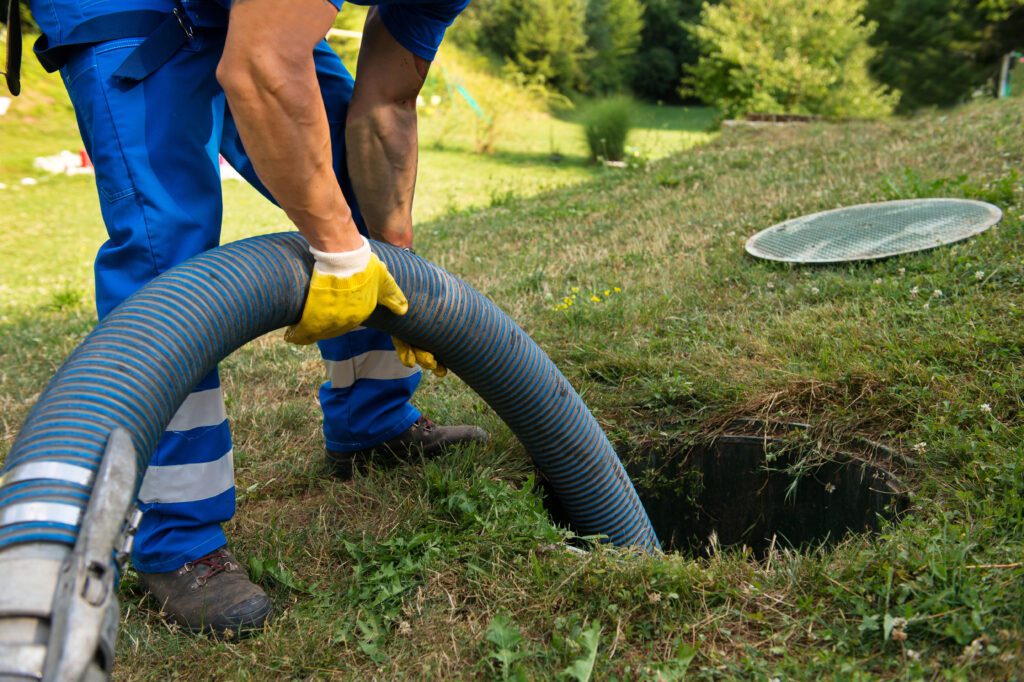
After cleaning the tank, ensure you replace the lid securely and dispose of the waste properly. Waste from a septic tank can be hazardous, so contact your local waste management facility or a licensed septic tank service for guidance on disposal methods. Never dump septic tank waste into storm drains, rivers, or lakes.

Professional Assistance

While cleaning your septic tank after a clog or overflow might seem like a DIY project, it's often best to consult with a qualified septic tank service for larger or more complex situations.

Benefits of Hiring a Septic Tank Service

Here are some reasons why you might want to consider hiring a professional:

  • Expertise and Experience: Septic tank services have the specialized knowledge and experience to handle complex issues.
  • Proper Equipment: They have access to powerful pumps and equipment for efficient and safe removal of waste.
  • Safety Assurance: Professionals understand the hazards involved and prioritize safety during the cleaning process.
  • Waste Disposal: They handle proper disposal of septic waste, complying with all local regulations.

Preventing Future Issues

Once your septic tank is clean, it's essential to implement preventive measures to avoid future clogs and overflows.

Preventive Maintenance Practices

Here are some practices you can follow:

  • Regular Pumping: Schedule routine septic tank pumping every 3-5 years, or more frequently if needed. This ensures proper waste removal and prevents sludge buildup.
  • Proper Waste Disposal: Avoid flushing non-biodegradable items like wipes, diapers, and feminine hygiene products down the toilet.
  • Minimize Grease and Oil: Use grease traps to prevent excess grease and oil from entering the system.
  • Inspect the Drain Field: Look for signs of water pooling, vegetation growth, or cracks in the leach field. Repair any issues promptly.
  • Avoid Overloading: Don't run too many appliances that use water simultaneously. This can put stress on the system.
  • Prevent Root Intrusion: Trim trees and shrubs that are growing near the septic tank and drain field to prevent roots from penetrating the system.

Conclusion

Cleaning your septic tank after a clog or overflow is a necessary task for maintaining a healthy wastewater system and preventing unpleasant and costly issues. By following the steps outlined in this guide, you can effectively remove debris, sludge, and solids from your tank, restoring its functionality and preventing future problems. Remember to prioritize safety, use the proper equipment, and consider professional assistance when needed. Implement preventive maintenance practices to keep your septic tank running smoothly and avoid costly repairs down the road.

Share:

Septic Tank Odor After Rain: What You Can Do to Fix It

Septic Tank Odor After Rain: What You Can Do to Fix It

Septic Tank Odor After Rain: What You Can Do to Fix It

So, you’ve just stepped outside after a downpour and BAM, that unmistakable septic tank smell hits you right in the face. Not exactly the fresh, clean air you were hoping for, right? Don’t worry, you’re not alone. This is a common problem, and it’s usually not a sign of a major disaster.

The good news is, there are a few things you can do to deal with this smelly situation, and they don’t all require calling in a professional right away. We’re going to break it down step by step, covering everything from the basics to more advanced solutions. Let’s get started!

Why Does Rain Make My Septic Tank Smell?

Think of your septic system like a tiny city. There’s a wastewater treatment plant (the tank), pipes that carry the sewage (the streets), and a place where the treated water is released back into the environment (the drain field). When it rains, the water infiltrates the soil around the drain field, causing the groundwater levels to rise. If your drain field is already saturated or not properly designed, this excess water can put pressure on the system and force wastewater back up into the tank. This can create a backup, which is what leads to the smell.

Don’t Panic! Let’s Troubleshoot

Before you start calling plumbers, let’s investigate the situation a bit. Here are some common culprits:

  • Overloaded System: The most likely reason for septic tank odor after rain is simply that your tank is full. The more water it receives, the more wastewater it has to handle. When the tank is nearing capacity, it's much easier for odors to escape.
  • Clogged Drain Field: Sometimes, the drain field itself can become clogged with debris or simply not be able to handle the increased flow during heavy rain. This can cause wastewater to back up into the tank, leading to odor.
  • Broken or Leaking Pipes: A crack or hole in the pipes leading to your septic tank or drain field can also allow odors to escape, especially after rain.
  • Poor Ventilation: If your septic tank doesn’t have proper ventilation, the gases that build up inside can escape through other areas, like vents, drains, or even through the ground.
  • Improper Installation: Sometimes, the problem lies in the initial installation of the system. If it wasn’t done correctly, the drain field might not be able to handle the wastewater flow properly, leading to odor.

DIY Solutions to Banish the Smell

Now that you’ve got a bit of insight into what might be going on, let’s explore some things you can do to tackle the odor yourself.

1. Check Your Septic Tank

Your first step should be to assess the situation. Check your tank for signs of overflow or backup. Look for any visible cracks or leaks in the tank itself or the pipes leading to and from it.

2. Pump Your Tank

If you haven’t had your tank pumped in a while, chances are it’s getting full. Pumping the tank regularly is a key part of septic system maintenance. Aim to pump it every 2-3 years, but it’s always good to consult with a professional to determine the right pumping schedule for your household size and usage.

3. Consider Using a Septic Tank Additive

Septic tank additives are a popular, easy way to try to control odor. They work by introducing bacteria to your tank, helping to break down waste and reduce the amount of gas produced.

Be sure to choose a product that is specifically designed for septic systems and follow the instructions carefully. Don’t use anything that could harm the beneficial bacteria in your system, like harsh chemicals or bleach.

4. Address Any Drainage Issues

If you think your drain field might be overloaded, take a look at your yard and surrounding area. Look for any pooling water or areas where the ground is particularly wet, even after it hasn’t rained for a while. This might indicate a drainage problem. You can try improving drainage by ensuring downspouts are directed away from the septic system, creating a small ditch to channel water away, or consulting a professional about adding a French drain.

5. Check Your Vents

Make sure your tank’s vent pipe is clear and unobstructed. A clogged vent can trap gases and force them to escape elsewhere. If you find any obstructions, clean them out. If the vent pipe is damaged or too short, you might need to have it repaired or replaced by a professional.

When to Call a Professional

Even if you’ve tried some DIY solutions, the problem might persist. If you notice any of these signs, it’s time to call a professional:

  • The smell is persistent and strong, even after you’ve tried to fix it.
  • The problem is getting worse, even after pumping the tank.
  • You see sewage backing up into your house.
  • You see signs of significant damage to your septic system, such as cracks or leaks in the tank or pipes.
  • Your yard is constantly wet and soggy, even when it hasn’t rained.

Preventative Measures for a Odor-Free Future

The best way to deal with septic tank odor is to prevent it in the first place. Here’s how:

  • Regular Maintenance: Pumping your tank every 2-3 years is a must. But it’s not just about pumping. You should also check the system for leaks or damage, and consider using septic tank additives to keep things running smoothly.
  • Use Water Wisely: The less water you use, the less work your septic system has to do. This means taking shorter showers, fixing leaks promptly, and being mindful of your water usage when doing laundry and dishes.
  • Avoid Flushing Troublesome Items: This seems obvious, but you’d be surprised how often people flush things down the toilet that shouldn’t be there. These include wipes (even those labeled “flushable”), feminine hygiene products, paper towels, and even large amounts of food scraps. These items can clog your system and cause backups.
  • Keep Heavy Traffic Away from the Drain Field: The drain field needs to be able to breathe, so make sure you don’t park vehicles, build structures, or plant large trees on top of it.
  • Don’t Use Harsh Chemicals: Chemicals like bleach and cleaners can kill the beneficial bacteria in your septic system, making it less efficient. Stick to natural cleaners or septic-safe products.

Dealing with septic tank odor after rain can be annoying, but it’s not usually a cause for major concern. By following the steps above, you can usually solve the problem yourself, or at least pinpoint what needs to be addressed. And by keeping up with preventative measures, you can keep your septic system happy and odor-free.

Happy plumbing!

Share:

Search This Blog

Diberdayakan oleh Blogger.

Pages

Blog Archive