


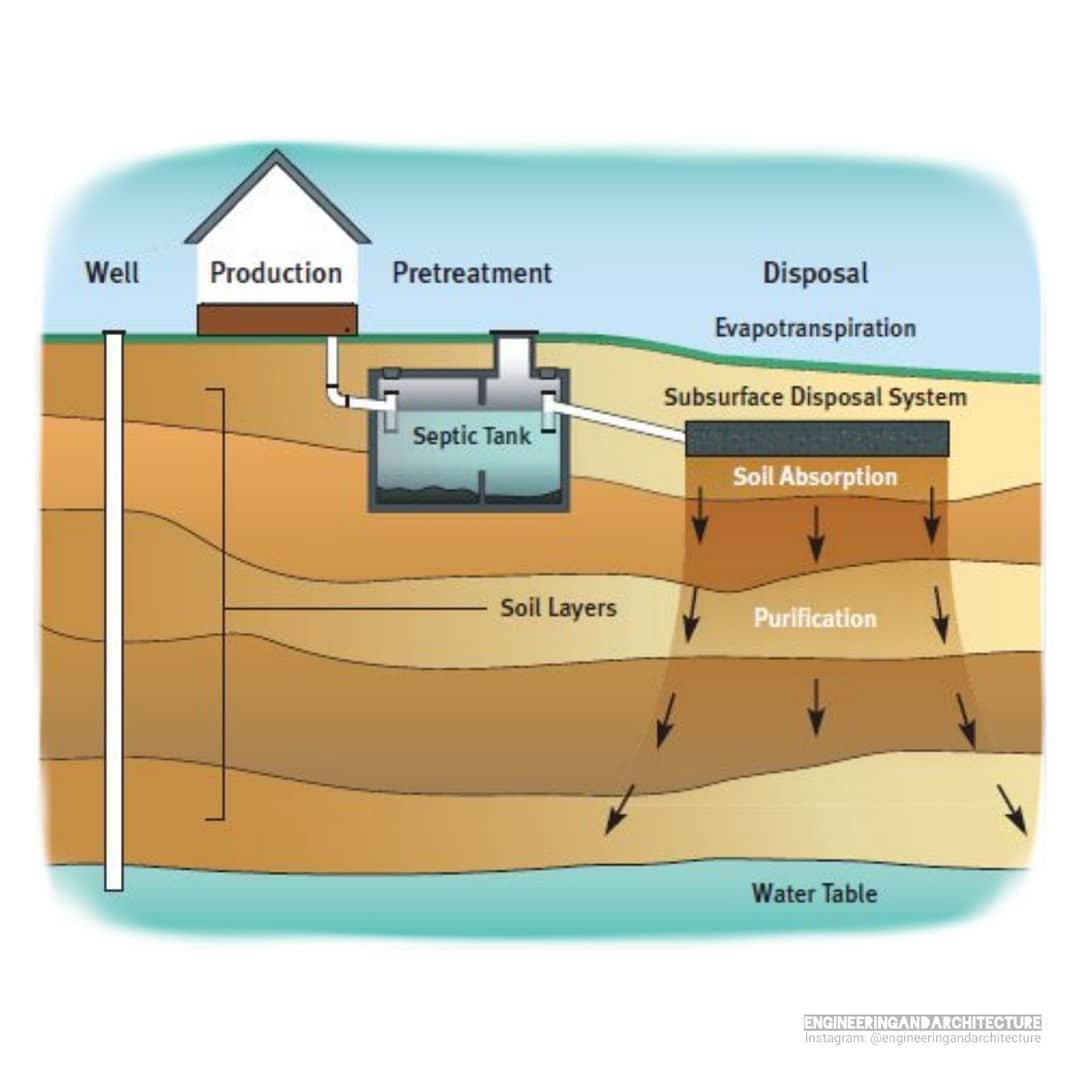
How to Clean Your Septic Tank After a Clog or Overflow
A septic tank is an essential part of your home's wastewater system. It's responsible for treating wastewater from your home, separating solids from liquids, and allowing the liquid to be discharged into a drainage field. However, like any system, septic tanks can experience problems, such as clogs and overflows. These issues can be unpleasant and costly to deal with, but taking proactive steps to clean your septic tank after a clog or overflow can help prevent future problems and maintain the health of your system.
This article will guide you through the process of cleaning your septic tank after a clog or overflow, from identifying the problem to choosing the right tools and techniques. We will cover key considerations such as safety precautions, proper disposal of waste, and best practices for preventing future issues. By following the steps outlined in this comprehensive guide, you can effectively clean your septic tank and restore its functionality.
Understanding the Problem
Before diving into the cleaning process, it's crucial to understand the root cause of the clog or overflow. Identifying the problem will guide you towards the most effective cleaning method and help prevent future issues.
Common Causes of Septic Tank Clogs and Overflows
Several factors can contribute to clogs and overflows in your septic tank, including:
- Excess Grease and Oil: These substances can solidify and accumulate in the tank, obstructing the flow of wastewater.
- Large Solids: Items like diapers, wipes, and feminine hygiene products are not biodegradable and can cause clogs if they enter the system.
- Tree Roots: Roots can penetrate the septic tank or leach field, causing blockages.
- Sediment Buildup: Over time, sediment naturally accumulates in the tank, reducing its capacity.
- Improper Installation or Maintenance: Issues with the tank's design, age, or lack of regular pumping can contribute to clogs.
Assessing the Damage
Once you've identified the probable cause of the clog or overflow, it's time to assess the extent of the damage. This will help you determine the best approach to cleaning the tank.
Signs of a Clogged Septic Tank
Here are some signs that indicate a clog in your septic tank:
- Slow-draining drains or toilets
- Gurgling sounds from drains
- Sewage backup in sinks, tubs, or toilets
- A foul odor coming from the drain field
- Pooling water around the septic tank or leach field
Signs of a Septic Tank Overflow
The following signs are indicative of a septic tank overflow:
- Raw sewage visible on the ground near the tank
- A strong, unpleasant sewage odor in the air
- Visible sewage backing up into your house
- Pooling water around the tank that smells like sewage
Safety Precautions
Before tackling any septic tank cleaning, prioritize your safety by adhering to these essential precautions:
- Wear Protective Gear: Always wear rubber gloves, boots, and eye protection to prevent contact with contaminated waste.
- Ventilate the Area: Ensure adequate ventilation by opening windows and doors. The fumes from a septic tank can be harmful.
- Never Work Alone: Have someone else present in case of an emergency.
- Avoid Contact with Waste: Never directly touch or inhale the contents of the septic tank.
- Inspect the Tank Before Accessing it: Look for any signs of damage, cracks, or leaks before opening the tank.
Cleaning the Septic Tank
Cleaning a septic tank after a clog or overflow involves a combination of manual removal, chemical treatment, and, in some cases, professional assistance.
Step 1: Locate and Access the Tank
The first step is to locate the septic tank lid. It's usually marked with a concrete slab or a metal cover. If you're unsure of its location, refer to your home's building plans or contact your local utility company for assistance. Once located, safely remove the lid, using a tool designed for this purpose.
Step 2: Remove Solids and Sludge
Depending on the severity of the clog and the amount of accumulated sludge, you may need to manually remove solids and sludge from the septic tank. This can be done using a bucket, scoop, or a specialized septic tank pump. Avoid removing too much of the liquid portion of the tank, as it contains helpful bacteria for proper treatment.
Step 3: Clean the Tank Walls and Bottom
Once you've removed as much sludge as possible, use a brush or scraper to clean the inside walls and bottom of the septic tank. This helps remove any remaining debris and prevents further clogs. Be cautious when cleaning the walls to avoid disturbing the liquid level in the tank.
Step 4: Treat the Tank with Chemicals (Optional)
Septic tank treatment chemicals can help break down solids, reduce odors, and improve the overall performance of the tank. Follow the instructions provided with the chosen chemicals carefully, and ensure they are compatible with your specific septic tank type. However, using chemicals should be a last resort, as they may not always be the most effective solution and can potentially harm the beneficial bacteria in the tank.
Step 5: Replace the Tank Lid and Dispose of Waste
After cleaning the tank, ensure you replace the lid securely and dispose of the waste properly. Waste from a septic tank can be hazardous, so contact your local waste management facility or a licensed septic tank service for guidance on disposal methods. Never dump septic tank waste into storm drains, rivers, or lakes.
Professional Assistance
While cleaning your septic tank after a clog or overflow might seem like a DIY project, it's often best to consult with a qualified septic tank service for larger or more complex situations.
Benefits of Hiring a Septic Tank Service
Here are some reasons why you might want to consider hiring a professional:
- Expertise and Experience: Septic tank services have the specialized knowledge and experience to handle complex issues.
- Proper Equipment: They have access to powerful pumps and equipment for efficient and safe removal of waste.
- Safety Assurance: Professionals understand the hazards involved and prioritize safety during the cleaning process.
- Waste Disposal: They handle proper disposal of septic waste, complying with all local regulations.
Preventing Future Issues
Once your septic tank is clean, it's essential to implement preventive measures to avoid future clogs and overflows.
Preventive Maintenance Practices
Here are some practices you can follow:
- Regular Pumping: Schedule routine septic tank pumping every 3-5 years, or more frequently if needed. This ensures proper waste removal and prevents sludge buildup.
- Proper Waste Disposal: Avoid flushing non-biodegradable items like wipes, diapers, and feminine hygiene products down the toilet.
- Minimize Grease and Oil: Use grease traps to prevent excess grease and oil from entering the system.
- Inspect the Drain Field: Look for signs of water pooling, vegetation growth, or cracks in the leach field. Repair any issues promptly.
- Avoid Overloading: Don't run too many appliances that use water simultaneously. This can put stress on the system.
- Prevent Root Intrusion: Trim trees and shrubs that are growing near the septic tank and drain field to prevent roots from penetrating the system.
Conclusion
Cleaning your septic tank after a clog or overflow is a necessary task for maintaining a healthy wastewater system and preventing unpleasant and costly issues. By following the steps outlined in this guide, you can effectively remove debris, sludge, and solids from your tank, restoring its functionality and preventing future problems. Remember to prioritize safety, use the proper equipment, and consider professional assistance when needed. Implement preventive maintenance practices to keep your septic tank running smoothly and avoid costly repairs down the road.
0 komentar:
Posting Komentar
Catatan: Hanya anggota dari blog ini yang dapat mengirim komentar.