


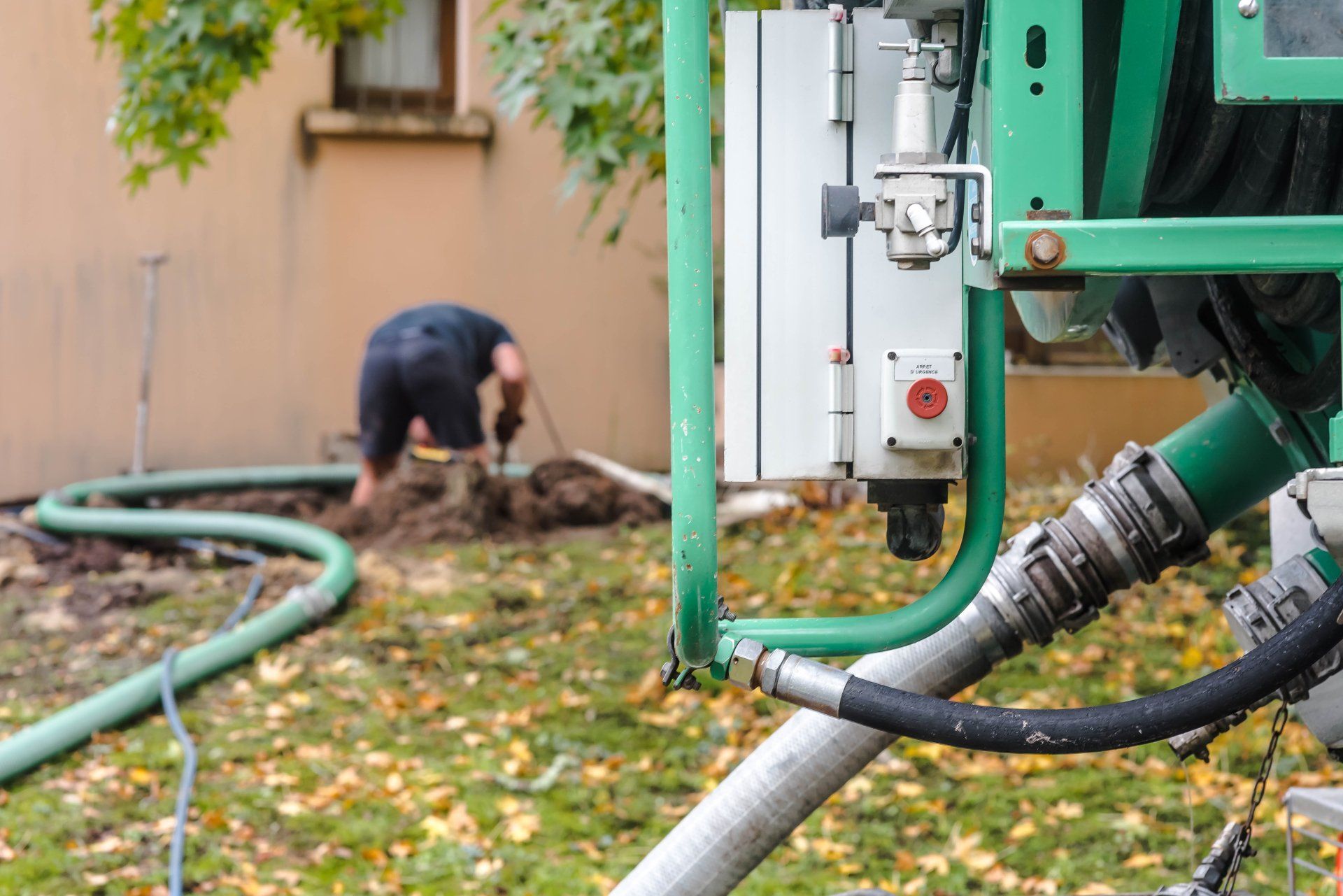
Can Septic Tanks Be Cleaned Without Pumping? Tips for Homeowners
Let’s face it, nobody loves talking about septic tanks. They're hidden away, often in the back corner of our yards, and we only think about them when things go wrong. But, the truth is, they're vital to our lives and require some TLC to keep them running smoothly. One of the biggest questions homeowners have is: Can you clean a septic tank without pumping it?
The short answer? It's not exactly a full cleaning, but you can absolutely take steps to help your septic system stay healthy and avoid the dreaded pumping day.
The Importance of Regular Septic Tank Pumping
First things first, let's talk about why septic tank pumping is so important. Your septic tank acts like a mini-wastewater treatment plant, separating solids from liquids. The solids settle at the bottom, forming a layer called sludge, while the liquids flow out to the drain field. Over time, that sludge builds up, and if it gets too high, it can block the flow of wastewater out of the tank, leading to all sorts of nasty problems like backups, foul odors, and even system failure.
The general rule of thumb is to pump your tank every 3-5 years, but this can vary depending on factors like the size of your tank, the number of people living in your home, and your household's wastewater habits.
Cleaning Your Septic Tank Without Pumping: What You Can Do
While pumping is the most effective way to remove sludge, there are a few things you can do to keep your tank running smoothly between pumpings:
1. Be Mindful of What You Flush
You've probably heard the saying "only solids go down the toilet," and for good reason! Your septic system is designed to handle human waste and toilet paper, but it's not equipped to deal with anything else. Avoid flushing things like:
- Wipes (even "flushable" wipes are a big no-no!)
- Paper towels
- Cotton balls
- Dental floss
- Hair
- Grease and oil
- Medications
- Chemicals
These items don't break down easily in the tank, contributing to sludge buildup and clogging. They can also damage your drain field, causing costly repairs.
2. Use Septic-Safe Products
The products you use around the house can also affect your septic system. Opt for septic-safe cleaners and detergents, especially for laundry and dishwashing. Avoid harsh chemicals and bleaches, which can kill the beneficial bacteria in your septic tank that break down waste.
Check the labels on your products carefully, and if you're unsure, it's always best to err on the side of caution and choose a septic-safe alternative.
3. Maintain Your Drain Field
The drain field is where the treated wastewater from your tank is released into the ground. Keeping it healthy is crucial for proper system function. Here are some tips:
- Avoid driving or parking on your drain field
- Keep trees and shrubs away from the drain field, as their roots can damage the pipes
- Don't use the drain field as a dumping ground for yard waste, leaves, or other debris
4. Consider a Septic Tank Treatment
There are various septic tank treatments available on the market that can help break down waste and prevent buildup. These products usually contain beneficial bacteria and enzymes that aid in the decomposition process. While they won't completely replace pumping, they can contribute to a healthier septic system.
It's important to choose a treatment that's specifically formulated for septic tanks and to use it according to the manufacturer's instructions. Overusing or using the wrong type of treatment can actually harm your septic system.
5. Be Aware of the Signs of Septic Tank Trouble
Even if you're doing everything right, sometimes septic tank problems can arise. It's important to be aware of the signs of trouble and take action quickly to prevent major issues. Look out for:
- Slow draining toilets and sinks
- Gurgling noises from drains
- Foul odors around your home or yard
- Soggy or wet areas around your drain field
If you notice any of these signs, call a qualified septic tank professional immediately. Don't try to troubleshoot the issue yourself, as you could make the problem worse.
Commonly Asked Questions
1. How often should I have my septic tank pumped?
The general recommendation is to pump your tank every 3-5 years. However, the exact frequency can vary based on factors like tank size, number of occupants, and wastewater habits. It's best to talk to a septic tank professional to determine the right schedule for your system.
2. Can I pump my septic tank myself?
While it's possible to DIY pump your tank, it's not recommended for most homeowners. Septic tank pumping requires specialized equipment and knowledge, and there's a risk of damaging your system or causing environmental harm if you don't do it correctly. It's best to leave this job to the professionals.
3. Can I use bleach in my septic system?
Bleach is a harsh chemical that can kill the beneficial bacteria in your septic tank, harming its ability to break down waste. It's best to avoid using bleach in your septic system altogether and opt for septic-safe alternatives instead.
4. What's the difference between a septic tank and a sewer system?
A septic system treats wastewater on-site, while a sewer system collects wastewater from multiple homes and sends it to a centralized treatment facility. Septic systems require regular maintenance and pumping, while sewer systems are typically managed by local municipalities.
5. What are some signs that my septic tank is failing?
Signs of a failing septic tank include slow draining toilets and sinks, gurgling noises from drains, foul odors, soggy areas around the drain field, and backups in the system. If you notice any of these signs, contact a septic tank professional immediately.
Taking care of your septic system doesn't have to be a chore. By following these tips and being mindful of your wastewater habits, you can keep your system running smoothly and avoid expensive repairs. Remember, a healthy septic system is essential for a happy and comfortable home.
0 komentar:
Posting Komentar
Catatan: Hanya anggota dari blog ini yang dapat mengirim komentar.