


How to Prevent Smell from Your Septic Tank with Simple Steps
Let's face it, no one wants their home to smell like a sewage treatment plant. But sometimes, that's the reality we face when our septic systems start acting up. Thankfully, there are a few simple things you can do to prevent that dreaded septic tank smell from wafting through your house.
Think of it this way, your septic system is like a tiny ecosystem. It's a delicate balance of bacteria, water, and solids. Just like any ecosystem, it needs to be taken care of to function properly. And just like a leaky faucet, a poorly maintained septic system can lead to some pretty unpleasant consequences, namely the dreaded "septic smell."
Understanding the Source of the Smell
The smell we associate with septic tanks is usually caused by hydrogen sulfide gas, a byproduct of the bacteria breaking down waste in the tank. This gas can escape through vents, cracks in the tank, or even the plumbing system itself.
Common Culprits
While a poorly functioning septic system is the main culprit, several factors can contribute to that "septic smell." These can include:
- Overloading the System: Too much waste going into the system can overwhelm the bacteria's ability to break it down efficiently.
- Improper Maintenance: Neglecting regular pumping and inspections can lead to buildup and a less-than-ideal environment for bacteria.
- Blocked Drains: Clogged drains can back up wastewater, increasing the chances of the gas escaping.
- Damaged Pipes: Cracks or leaks in pipes can allow the smell to escape into your home.
- Improper Venting: If the septic system's vents are blocked or not working properly, the gas has nowhere to go but back into your home.
Simple Steps to Prevent Septic Tank Smell
Preventing septic tank smell is less about drastic measures and more about establishing good habits. Here are some simple tips you can start implementing today:
1. Be Mindful of What You Flush
Your septic system is not a garbage disposal! Avoid flushing the following items down the toilet:
- Disposable wipes: Even "flushable" wipes often don't break down properly, leading to clogs and backups.
- Paper towels: Similar to wipes, paper towels can create clogs and hinder the breakdown process.
- Hair, food scraps, and grease: These items can solidify and create blockages.
- Medications: Flush medications down the toilet only if the label says it's safe. Most medications should be disposed of at a designated drop-off location.
- Cigarette butts: They don't break down easily and can create clogs.
Think "toilet paper only" when it comes to flushing!
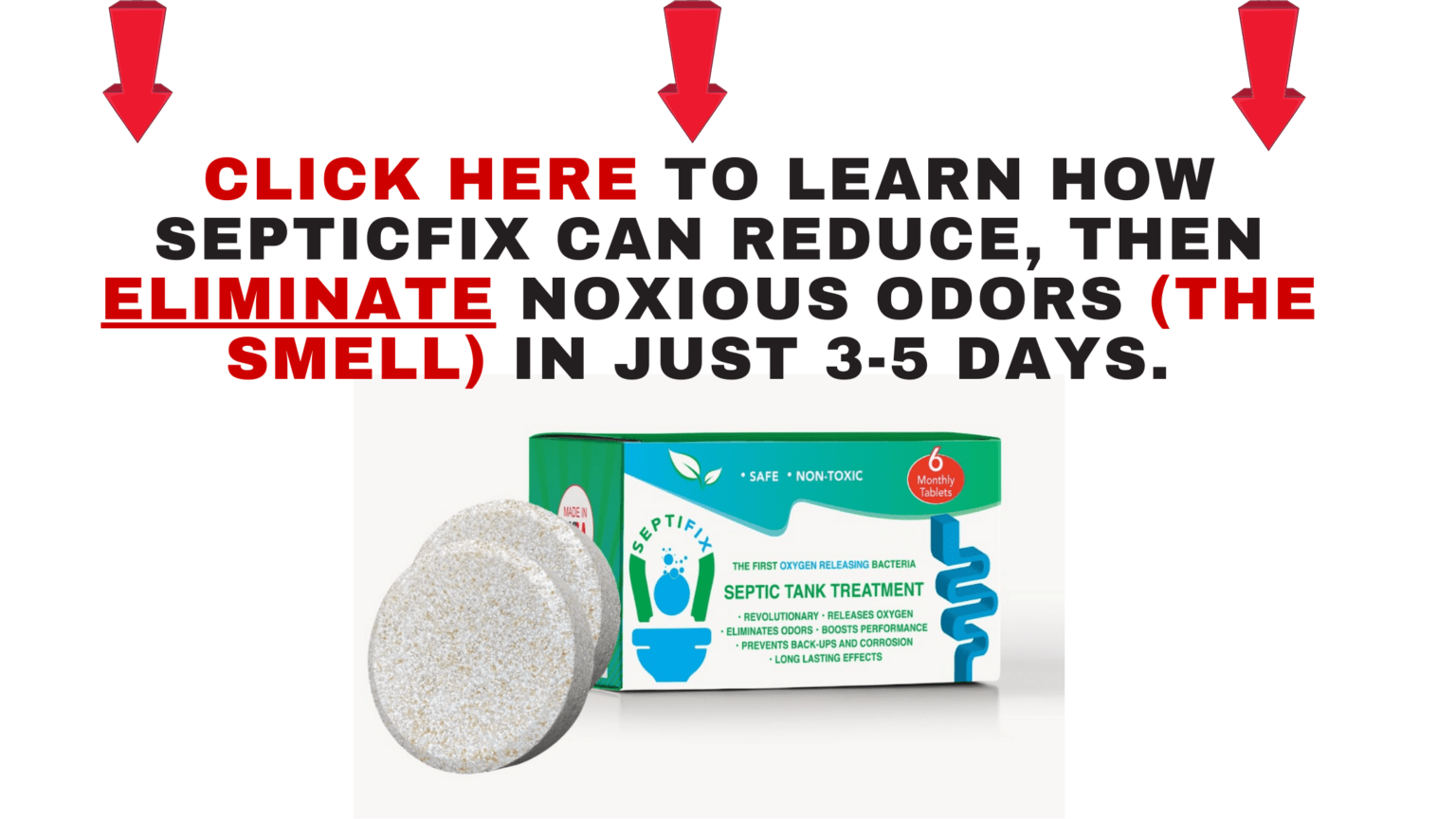
2. Invest in a Septic Tank Treatment
Septic tank treatments are like vitamins for your system! They help to improve the bacteria's ability to break down waste, reducing the amount of gas produced. Look for products containing beneficial bacteria and enzymes. There are both liquid and granular options available.
Follow the manufacturer's instructions carefully and consider using a treatment regularly, especially after a large event or gathering.
3. Don't Overburden Your System
Avoid running multiple appliances at the same time, like washing machines, dishwashers, and showers. This can cause a sudden influx of water and overload your system. Spread out these activities throughout the day to give your system a break.
If you're having a large party or gathering, be mindful of water usage. Encourage guests to take shorter showers, minimize dishwashing, and limit water usage.
4. Regularly Pump Your Tank
Just like you need to empty your garbage cans, your septic tank needs to be emptied regularly. The recommended frequency depends on the size of your tank and the number of people living in your home. But a general rule of thumb is to have your tank pumped every 3-5 years.
A professional septic service can inspect your system, check for any issues, and recommend the right pumping schedule for your specific needs.
5. Don't Ignore Odors
If you start noticing a faint smell of sewage, don't wait to address it. Early detection is key. Check for any obvious signs of a leak or blockage. If you can't identify the issue, call a professional septic technician to investigate.
Keeping Your Septic System Healthy is an Investment
Taking care of your septic system may seem like a hassle, but it's a necessary investment in your home's comfort and value. Regular maintenance, responsible flushing habits, and prompt action when you notice any problems can prevent costly repairs and keep that unpleasant septic smell at bay.
Think of it this way: A happy septic system means a happy home, free from embarrassing odors and potential plumbing issues. So, be proactive, stay informed, and make your septic system a priority!
0 komentar:
Posting Komentar
Catatan: Hanya anggota dari blog ini yang dapat mengirim komentar.