


Prevent Septic Tank Smell with Proper Use of Additives
Living with a septic system brings its unique set of challenges, particularly the unwelcome odor that can arise from improper maintenance. Septic tank smell, if left unchecked, can create a nuisance and even signal a potential issue within your system. While a regular pumping schedule is crucial, utilizing appropriate additives can play a significant role in preventing those unpleasant odors and keeping your system functioning optimally. This article delves into the world of septic tank additives, providing a comprehensive understanding of their types, benefits, and proper use for a more pleasant and efficient septic experience.
Understanding the Source of Septic Tank Smell
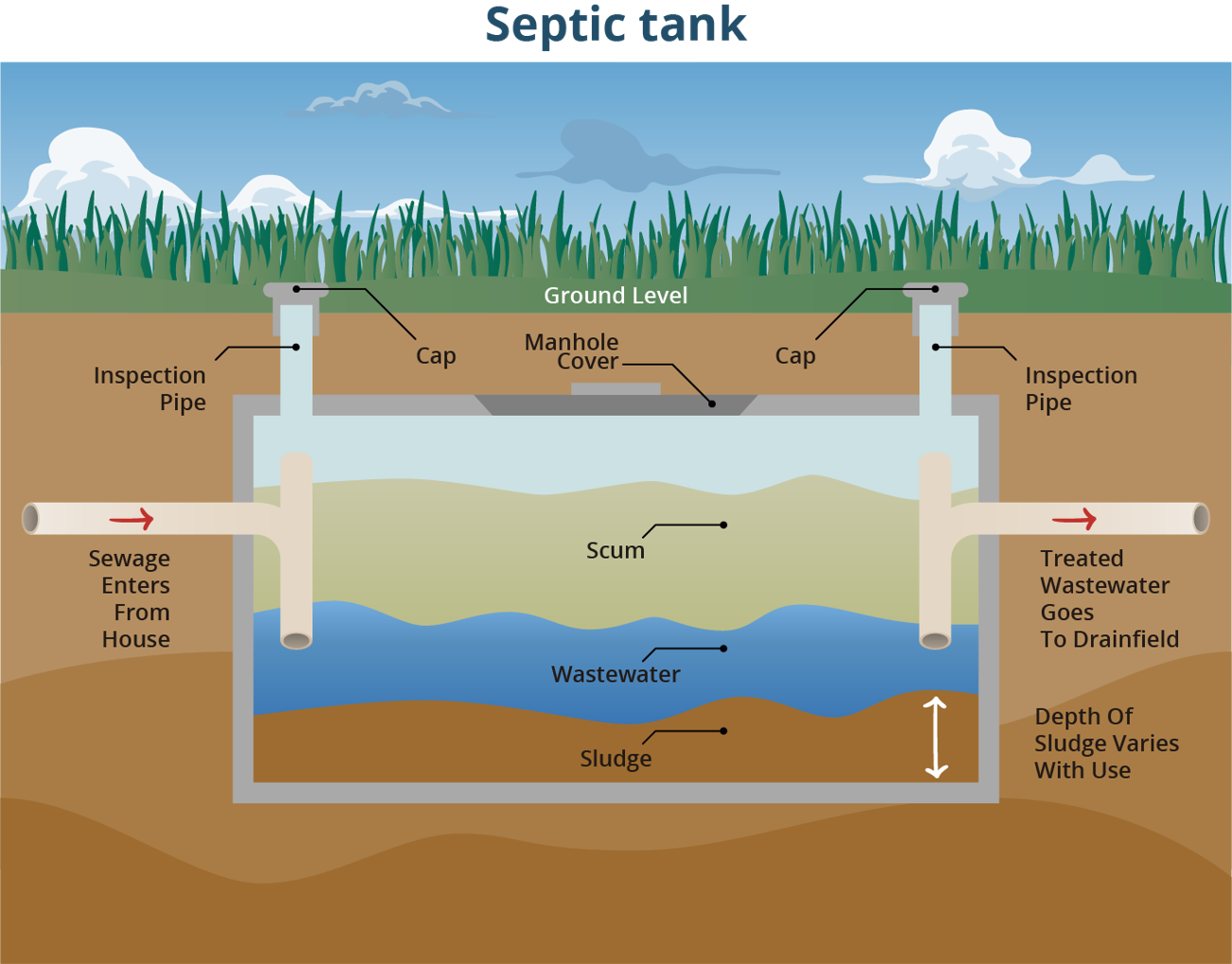
Before diving into the solutions, it's essential to understand the origin of the unpleasant odors. Septic tank smell typically stems from the decomposition of organic waste within the tank. As bacteria break down these materials, they release gases, including hydrogen sulfide, responsible for the rotten egg-like aroma. This process naturally occurs in any septic system, but the frequency and intensity of the smell can vary based on several factors:
Factors Contributing to Septic Tank Smell:
- Overloading the System: When the septic tank becomes overloaded with too much waste, it can lead to excessive gas production and potential backflow into your home.
- Insufficient Bacteria Levels: The natural bacteria in the tank might not be sufficient to break down the waste efficiently, leading to a buildup of undigested material and odor.
- Failing Drain Field: A clogged or failing drain field can lead to wastewater backing up into the tank, causing an overflow and unpleasant smell.
- Improper Ventilation: Adequate ventilation of the septic tank and surrounding area is crucial for allowing gases to escape safely and prevent odor build-up.
- Age and Condition of the System: Older septic systems or those in poor condition may not function as efficiently and can contribute to odor problems.
Septic Tank Additives: A Solution for Odor Control
Septic tank additives are designed to enhance the decomposition process and minimize odor production. They work by introducing beneficial bacteria and enzymes into the system, promoting efficient breakdown of waste materials. Here's a closer look at the different types of additives available:
Types of Septic Tank Additives:
- Bacterial Additives: These additives contain live bacteria that work in conjunction with the existing bacteria in your septic tank. They accelerate the breakdown of solid waste, reducing sludge buildup and odor.
- Enzyme Additives: Enzymes are proteins that break down organic matter more efficiently. They can help liquefy solid waste, allowing it to be processed more effectively by the bacteria.
- Combination Additives: Many additives combine both bacteria and enzymes to provide a comprehensive approach to waste breakdown and odor control.
- Deodorizers: These additives are specifically designed to mask or neutralize unpleasant odors. However, they do not address the underlying issue of waste decomposition and can be a temporary solution.
Using Septic Tank Additives Effectively
While septic tank additives can be a valuable tool for odor control, improper use can be counterproductive. Here's a guide to ensure you maximize the benefits of these products:
Guidelines for Using Septic Tank Additives:
- Read the Label Carefully: Each additive has specific instructions regarding dosage, frequency of application, and compatibility with your system. Always follow the manufacturer's recommendations.
- Start Slowly: Begin with the recommended dosage and observe the results. Gradually increase the amount if necessary, always staying within the manufacturer's guidelines.
- Consider Your System's Age: Older septic systems might require a higher concentration of bacteria or enzymes to maintain optimal performance.
- Avoid Overuse: Excessive use of additives can disrupt the natural balance of the septic system and lead to unexpected consequences.
- Choose Quality Products: Opt for reputable brands and additives specifically designed for septic systems. Avoid generic or non-specific products.
- Maintain Regular Pumping: Additives are not a replacement for regular septic tank pumping. Schedule professional pumping every 3-5 years to prevent sludge buildup and ensure efficient operation.
Benefits of Using Septic Tank Additives:
Properly using septic tank additives can bring numerous benefits, improving the overall health and performance of your system:
Benefits of Septic Tank Additives:
- Reduced Odors: By accelerating waste decomposition, additives significantly minimize the production of gases responsible for unpleasant smells.
- Improved System Efficiency: The enhanced breakdown of waste reduces sludge buildup and improves the flow through the system, preventing blockages and backflow.
- Longer Lifespan: A cleaner, more efficient system is less prone to problems and can potentially extend the lifespan of your septic tank and drain field.
- Peace of Mind: Knowing you're taking proactive steps to maintain your septic system provides reassurance and helps prevent unexpected issues.
Conclusion
Preventing septic tank smell is essential for a pleasant and healthy living environment. Septic tank additives, when used correctly, can play a crucial role in keeping your system clean, efficient, and odor-free. By understanding the different types of additives, adhering to the manufacturer's instructions, and maintaining a regular pumping schedule, you can minimize the risk of unpleasant odors and extend the life of your septic system. Remember, proactive maintenance and a commitment to using the right products are key to enjoying a trouble-free septic experience.
0 komentar:
Posting Komentar
Catatan: Hanya anggota dari blog ini yang dapat mengirim komentar.