


The Best Ways to Clean Your Septic Tank Regularly
Alright, let's talk septic tanks. They're not the most glamorous topic, but they're essential for those of us not connected to the city sewer system. And just like any other part of your home, they need some love and attention. Regular maintenance keeps them running smoothly and prevents costly repairs down the line. So, how do you keep your septic system in tip-top shape? Let's dive in!
The Importance of Regular Septic Tank Cleaning
Imagine your septic tank as a mini wastewater treatment plant in your backyard. It's a crucial part of your home's plumbing, and it's responsible for breaking down waste before it gets discharged into the drain field. But this process isn't magic; it relies on a delicate balance of bacteria and good old-fashioned gravity.
Here's the thing: over time, solid waste accumulates in the septic tank, forming a layer of sludge at the bottom. If left unchecked, this sludge can build up and eventually clog the system, leading to:
- Slow drains: That sluggish bathtub drain? Yep, could be a sign of a struggling septic system.
- Foul odors: When your septic tank isn't working properly, it can release unpleasant smells both inside and outside your home.
- Backups: The worst-case scenario: sewage backing up into your house. This can be a major health hazard and expensive to fix.
- Damage to the drain field: If the sludge overflows into the drain field, it can clog the pipes and damage the entire system.
To avoid these unpleasant and costly problems, regular septic tank cleaning is essential. Think of it like a preventative maintenance check-up for your plumbing system. It ensures your septic tank is functioning correctly and extends its lifespan.
How Often Should You Clean Your Septic Tank?
There's no one-size-fits-all answer to this question. The frequency of septic tank cleaning depends on a few factors:
- Household size: A larger family will generate more waste, leading to faster sludge buildup.
- Water usage: If you have a large family or do a lot of laundry, you'll be putting more strain on your septic tank.
- Tank size: Smaller septic tanks tend to fill up more quickly than larger tanks.
- Type of waste: Certain things, like fats, oils, and grease, can solidify in the tank and accelerate sludge buildup.
Generally, it's recommended to have your septic tank pumped every 3-5 years. However, if you notice any signs of trouble (slow drains, foul odors, etc.), don't wait! Call a septic tank professional for a check-up.
Tips for Preventing Septic Tank Problems
Cleaning your septic tank isn't the only way to keep it healthy. Here are some simple things you can do to prevent problems in the first place:
1. Be Mindful of What You Flush
Your septic system isn't a garbage disposal! Avoid flushing things like:
- Flushable wipes: These are notorious for clogging septic systems. They may say "flushable," but they don't break down like toilet paper.
- Feminine hygiene products: Tampons, pads, and other feminine hygiene products don't decompose properly in a septic tank.
- Disposable diapers: While some are labeled "biodegradable," they can still cause problems in septic systems.
- Paper towels: These are not designed to break down in wastewater systems.
- Cigarette butts: Cigarette butts contain plastics and other materials that won't decompose in a septic tank.
- Grease and oil: These materials solidify in the tank and can cause serious blockages.
- Hair: Hair can build up and form clogs in the septic system.
- Chemicals: Avoid pouring harsh chemicals like bleach, paint thinners, and pesticides down the drain.
2. Use Less Water
Less water means less strain on your septic system. Here are a few tips:
- Fix leaky faucets: Even a small drip can waste gallons of water over time.
- Take shorter showers: A few minutes less under the showerhead can make a difference.
- Use low-flow showerheads and toilets: These can save you hundreds of gallons of water each year.
- Wash full loads of laundry: Avoid running small loads of laundry; they waste water and energy.
- Water your lawn efficiently: Use a watering can or drip irrigation instead of a sprinkler system, which can waste a lot of water.
3. Maintain Your Septic System
Beyond regular cleaning, there are a few things you can do to keep your septic system healthy:
- Inspect your septic tank regularly: Look for signs of cracks, leaks, or other damage.
- Check your drain field: Make sure the drain field is free of obstructions and that there are no signs of water pooling.
- Don't drive or park on the drain field: This can damage the pipes and cause problems with the system.
- Don't plant trees over the drain field: Tree roots can grow into the pipes and cause clogs.
- Consider using a septic tank additive: These additives can help to break down waste and prevent sludge buildup.
Cleaning Your Septic Tank: The Process
While some DIYers might try to tackle septic tank cleaning themselves, it's generally best to leave it to the professionals. They have the equipment and expertise to do the job safely and effectively. Here's what a typical septic tank cleaning involves:
- Location and Inspection: The professional will locate your septic tank and inspect it for any signs of damage or leaks.
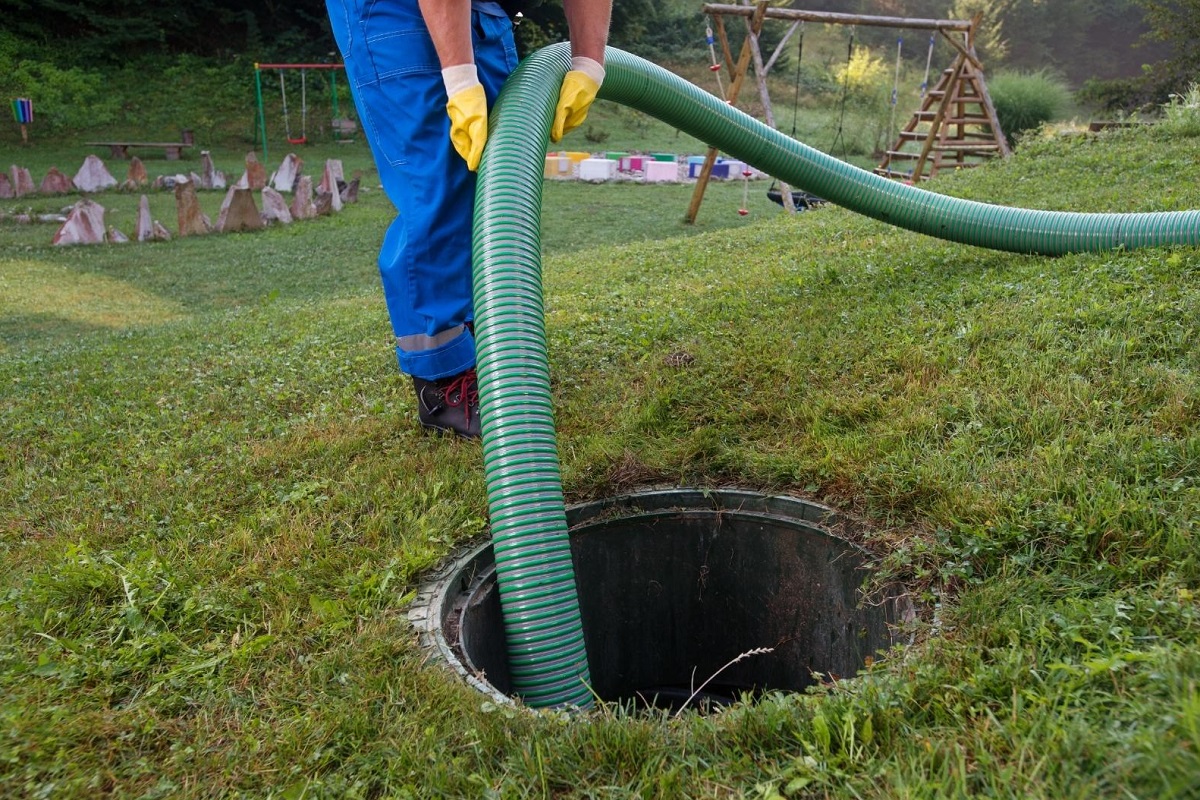
- Pumping: Using a powerful pump, the professional will remove the sludge and scum from the tank.
- Cleaning: The tank will be thoroughly cleaned and disinfected.
- Inspection: The professional will inspect the tank again to make sure it's in good working order.
- Disposal: The removed sludge and scum will be disposed of properly according to local regulations.
Finding a Septic Tank Professional
Not all plumbers are equipped to handle septic systems. Look for a professional who specializes in septic tank services. Here are some tips for finding a reliable professional:
- Ask for recommendations: Talk to your neighbors, friends, and family members who use septic systems.
- Check online reviews: Websites like Yelp and Angie's List can provide valuable insights into the quality of different septic tank professionals.
- Verify licenses and insurance: Make sure the professional is licensed and insured to operate in your area.
- Get multiple quotes: Don't settle for the first quote you get. Compare prices from several professionals to find the best value.
Commonly Asked Questions
1. How much does it cost to clean a septic tank?
The cost of septic tank cleaning varies depending on factors like the size of the tank, the location, and the amount of sludge that needs to be removed. On average, you can expect to pay between $200 and $500.
2. Can I clean my septic tank myself?
While some DIYers attempt to clean their septic tanks, it's generally not recommended. It's a messy and potentially hazardous job that requires specialized equipment and safety precautions.
3. What should I do if my septic tank is overflowing?
If your septic tank is overflowing, it's an emergency situation. Call a professional immediately. Don't attempt to fix the problem yourself.
4. How often should I add septic tank additives?
Septic tank additives are designed to break down waste and prevent sludge buildup. You can use them according to the manufacturer's instructions. However, remember that they're not a replacement for regular septic tank cleaning.
Maintaining your septic system is crucial for a healthy home. By following these tips, you can keep your septic tank functioning properly and avoid costly repairs down the line. Remember, a little preventative care goes a long way!
0 komentar:
Posting Komentar
Catatan: Hanya anggota dari blog ini yang dapat mengirim komentar.