


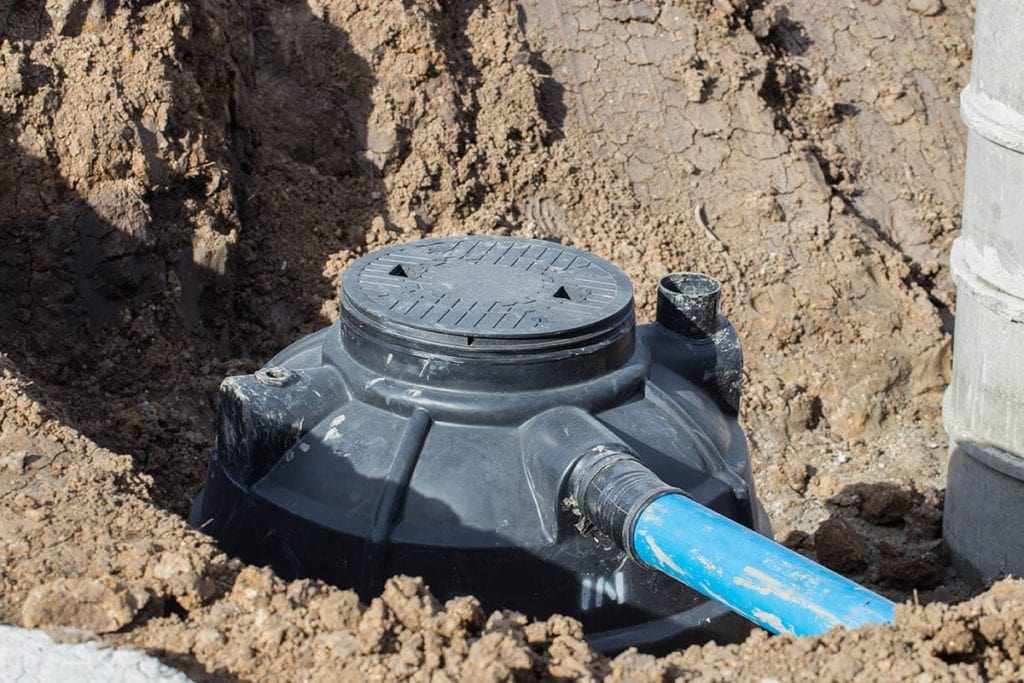
Why Does My Septic Tank Smell? Unclogging the Mystery of Septic Odors
Okay, let's talk about the elephant in the room â€" literally! That unpleasant smell wafting from your yard, your basement, maybe even your kitchen? That's the unmistakable signature of a septic system in distress. And while it's definitely not a pleasant experience, understanding the "why" behind the smell is the first step to getting rid of it.The Septic System: A Busy Ecosystem
Imagine your septic system as a miniature city. It's a carefully balanced ecosystem where bacteria are the unsung heroes, diligently breaking down waste and turning it into usable byproducts. This process, called "decomposition," is how your system handles everything that goes down the drain.But this ecosystem can be easily disrupted. When the system gets clogged, the bacteria can't do their job properly, leading to a buildup of waste and, you guessed it, that dreaded odor.
The Culprits Behind the Smell: Septic Tank Clogs and Overflows
So what exactly causes these clogs that lead to a smelly situation? Well, think of your septic tank as a giant filter. It separates the solids from the liquids, and the bacteria are busy breaking down the solids in the tank itself.
1. The Solid Waste Pile-Up
The first culprit is simply too much solid waste. This happens when things you shouldn't flush down the toilet â€" think wipes, paper towels, even those "flushable" wipes â€" end up in your tank. These items don't break down easily, clogging the system and creating a blockage. This prevents the liquid waste from flowing into the leach field, which is where it is finally disposed of.
2. The Grease Trap Fail
Next, we have the notorious grease trap. Fats, oils, and grease (FOG) from cooking and food prep are notorious for congealing into solid masses in your pipes. When these clumps get too big, they can block the flow of wastewater, creating a backup and sending those unpleasant odors up and out.
3. The Leach Field's Limits
And then there's the leach field, the final destination of your wastewater. This network of underground pipes is where treated wastewater is released into the soil. Over time, the leach field can become overloaded. This can happen if the tank is too small for the amount of wastewater it receives, or if the soil in the leach field is not draining well enough.
The Septic System's SOS: Recognizing the Signs
So, how do you know if your system is on the verge of a smelly breakdown? Here are some telltale signs:
- The unmistakable smell: This is usually the first indicator. It's a sewage-like odor, sometimes described as rotten eggs, and it can be strong enough to permeate your home.
- Slow drains: If your sinks, tubs, or toilets drain much slower than usual, it could be a sign that your septic system is backing up.
- Gurgling noises: Gurgling noises coming from your drains, especially when you flush the toilet or run water in your sink, could indicate a buildup of pressure in your septic system.
- Wet spots or puddles: If you see wet spots or puddles in your yard, especially near your septic tank, it could mean your leach field is overflowing.
What to Do When You Smell Trouble
Okay, so you've noticed the signs, what's next? First, don't panic! There are things you can do to keep your septic system happy and odor-free.
1. Prevention is Key: Habit Changes for a Healthy Septic System
The best way to avoid smelly problems is to prevent them in the first place. Here are some simple habits that make a big difference:
- Skip the flushable wipes: While they might be marketed as "flushable," these wipes don't break down as easily as toilet paper and can clog your system.
- Grease is a no-no: Pour cooking oils and fats into a container and throw them away with your regular trash. Never pour them down the drain!
- Be mindful of your septic tank capacity: Avoid running large appliances like washing machines or dishwashers too frequently. These machines generate a lot of wastewater.
- Have your system inspected regularly: Regular inspections by a qualified septic professional can help catch potential problems early on.
2. Time to Call in the Experts: When to Get Help
If you've noticed any of the warning signs mentioned above, or if your preventative measures aren't working, it's time to call in a septic professional. They can diagnose the problem, recommend solutions, and handle any necessary repairs.
Don't Let the Smell Take Over
Living with a smelly septic system is not something anyone wants to deal with. But armed with this knowledge, you can take proactive steps to prevent clogs, odors, and costly repairs. Remember, a happy septic system means a happy you!
Commonly Asked Questions
How often should I have my septic tank pumped?
It's recommended to have your septic tank pumped every 3-5 years. However, the frequency will depend on the size of your tank, the number of people in your household, and your usage habits.
Can I use chemicals in my septic system to prevent odors?
It's generally best to avoid using harsh chemicals in your septic system. They can disrupt the delicate balance of bacteria and harm the system's overall efficiency. Instead, focus on preventative measures and regular maintenance.
What if my septic system is overflowing?
If your septic system is overflowing, it's a serious situation that requires immediate attention. Call a professional septic service right away! They can help you clean up the mess and prevent further damage.
Remember, taking care of your septic system is like taking care of your home's foundation. It's not always glamorous, but it's essential for keeping your living space comfortable and odor-free!
0 komentar:
Posting Komentar
Catatan: Hanya anggota dari blog ini yang dapat mengirim komentar.