


Is Your Septic Tank Causing Odors in Your Home? Here's How to Fix It
Ugh, that smell! You know the one, right? That faint, pungent odor that seems to linger in the air, especially in your bathroom or kitchen. It's not a pleasant experience, and chances are, your septic tank might be the culprit. But don't worry, you're not alone! Many homeowners face this issue, and there are ways to tackle it head-on.
In this guide, we'll dive into the reasons why your septic tank might be causing those unpleasant odors and provide you with practical solutions to banish those smells for good. So, grab a cup of coffee, get comfy, and let's get started!
Understanding the Septic System: A Quick Tour
First things first, let's quickly understand how a septic system works. It's like a miniature wastewater treatment plant right in your backyard! Wastewater from your home flows into a septic tank, where solids settle to the bottom, forming sludge, while lighter materials like grease and oil rise to the top, forming scum.
After spending some time in the septic tank, the partially treated water is then discharged into a drain field (also known as a leach field) consisting of perforated pipes buried underground. This drain field allows the treated wastewater to filter through the soil, removing any remaining contaminants.
The Culprits: Why Your Septic Tank Might Be Stinky
Now, let's get to the root of the issue. Why are those odors infiltrating your home? The answer often lies in a few key factors:
1. A Full Septic Tank
Imagine your septic tank as a bathtub. When it gets full, it's bound to overflow, right? Similarly, when your septic tank becomes full, the solid waste and bacteria start decomposing, releasing those unpleasant odors. This is why regular septic tank pumping is crucial.
2. Drain Field Problems
The drain field is where the treated wastewater goes after the septic tank. If it becomes clogged or damaged, it can't filter the wastewater efficiently, leading to backups and those unwelcome odors. Tree roots growing into the drain field can also cause issues.
3. Leaky Pipes
If your plumbing system has leaks, particularly in the sewer line, it can create a pathway for those septic odors to seep into your home. It's like a hidden tunnel allowing those smells to infiltrate your space.
4. Vent Stack Issues
Every septic system has a vent stack, a pipe that extends above the roofline to release gases from the septic tank. If this vent stack becomes clogged or damaged, it can trap those gases, causing them to find their way into your home.
The Solution: How to Banish Septic Odors
Now that we've identified the culprits, let's get those septic smells out of your home! Here's a step-by-step approach:
1. Get Your Septic Tank Pumped
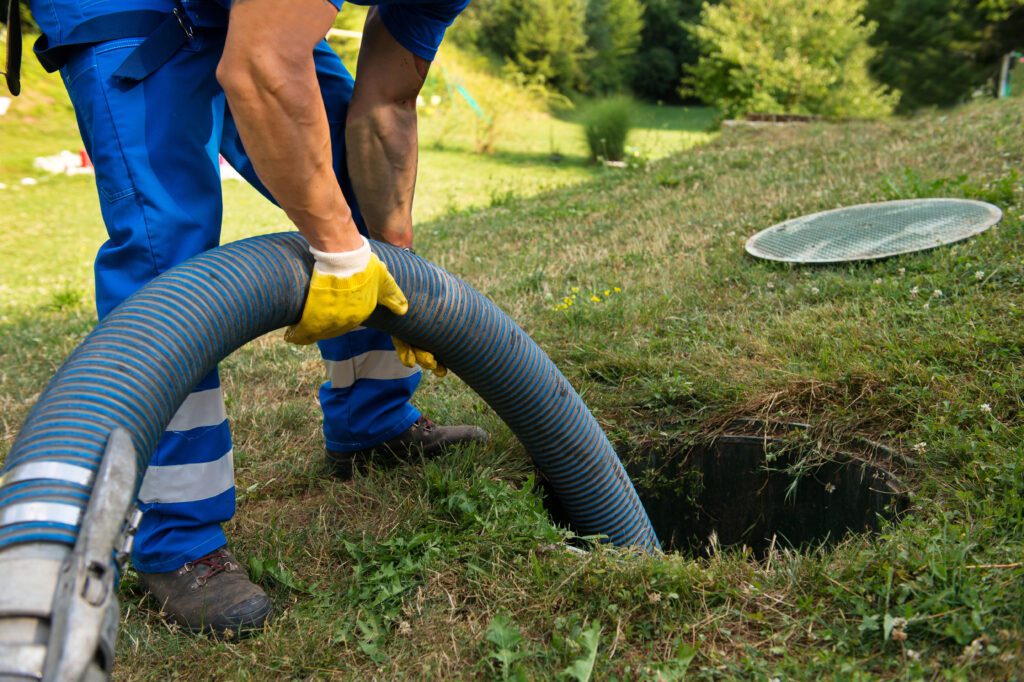
This is the most crucial step. Regular pumping prevents your tank from overflowing and minimizes the risk of odors. The frequency depends on your household size and water usage, but generally, pumping every 3-5 years is a good starting point.
2. Inspect the Drain Field
If your drain field isn't working properly, it can lead to backups and odors. A professional septic inspector can check for clogs, damage, or root intrusion. They might recommend repairs, replacements, or even adding a new drain field.
3. Fix Leaky Pipes
A leaking pipe in your plumbing system is a direct pathway for those odors. Get a plumber to inspect and repair any leaks you might have. It might save you a lot of trouble in the long run.
4. Check the Vent Stack
Make sure your vent stack is clear of debris and obstructions. If it's damaged, it might need to be repaired or replaced. This will ensure proper ventilation and prevent the buildup of gases.
5. Use Septic Tank Additives
Septic tank additives are formulated to break down waste, control odors, and promote a healthier septic system. Look for products that are safe for your septic system and follow the instructions carefully.
6. Preventative Measures
Here are some simple tips to prevent odors and keep your septic system running smoothly:
- Avoid flushing anything other than toilet paper down the toilet. This includes wipes, paper towels, and feminine hygiene products.
- Use less water-consuming appliances. Install low-flow showerheads and toilets to reduce the amount of wastewater entering your septic system.
- Be cautious with harsh chemicals. Avoid pouring bleach, drain cleaners, and other harsh chemicals down the drain, as they can harm the beneficial bacteria in your septic tank.
- Don't pour grease down the drain. It can solidify and create clogs in your septic tank and drain field.
- Monitor your system. If you notice any unusual odors, changes in water flow, or signs of backups, get your septic system inspected by a professional.
Commonly Asked Questions
1. How Often Should I Pump My Septic Tank?
The frequency of septic tank pumping depends on your household size, water usage, and the size of your tank. A general rule of thumb is every 3-5 years, but it's best to consult a professional to determine the appropriate schedule for your specific needs.
2. What are Some Signs of Septic Tank Problems?
Besides those annoying odors, other signs include:
- Slow draining toilets or sinks
- Gurgling sounds in your plumbing system
- Water bubbling up in your toilet bowl
- Wet spots in your yard
- Sewage backing up into your home
If you notice any of these signs, don't delay! Call a professional septic inspector to diagnose the issue and recommend a solution.
3. Can I Use Septic Tank Additives?
Yes, septic tank additives can be beneficial in maintaining your septic system. They can help break down waste, control odors, and promote a healthier environment for the beneficial bacteria in your tank. However, it's essential to choose additives that are specifically designed for septic systems and follow the instructions carefully.
4. How Do I Know If My Drain Field Is Clogged?
A clogged drain field can cause a number of issues, including backups and odors. Signs of a clogged drain field include:
- Wet spots in your yard
- Slow draining toilets or sinks
- Sewage backups in your home
If you suspect a clogged drain field, it's crucial to call a professional for inspection and repair.
5. How Much Does It Cost to Pump a Septic Tank?
The cost of pumping a septic tank can vary depending on your location, the size of your tank, and the accessibility of the tank. It's best to get quotes from several septic service providers to compare prices and find the best option for your budget.
Remember, a well-maintained septic system is essential for a healthy and odor-free home. By following these tips and seeking professional help when needed, you can keep your septic system in top shape and avoid those unpleasant smells.
0 komentar:
Posting Komentar
Catatan: Hanya anggota dari blog ini yang dapat mengirim komentar.