


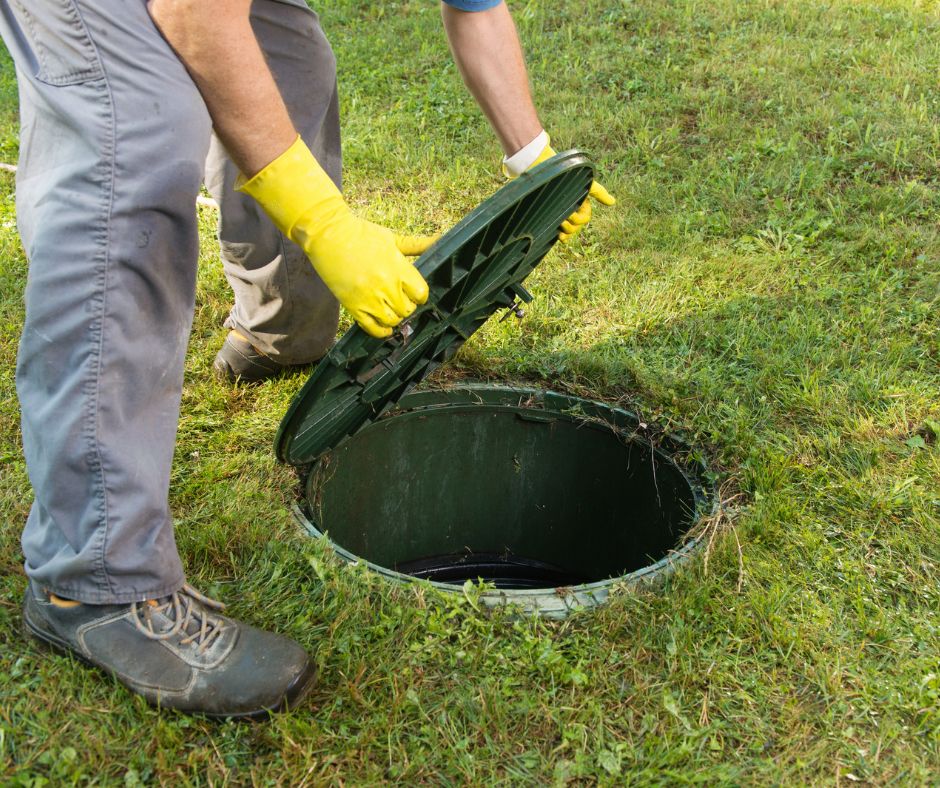
Preventing the Propagation of Septic Tank Odors in Residential Landscapes
The unpleasant odor emanating from a malfunctioning septic system can significantly detract from the enjoyment of one's property. More than just an olfactory nuisance, persistent septic tank odors can indicate serious underlying issues that require immediate attention. Addressing these problems proactively is crucial not only for mitigating the unpleasant smell but also for safeguarding the environment and protecting the structural integrity of your home. This comprehensive guide outlines a multi-pronged approach to effectively prevent the spread of septic tank odors in your yard.
Understanding the Sources of Septic Tank Odors
Before implementing preventative measures, it's essential to understand the mechanisms by which septic tank odors are released into the surrounding environment. The primary culprit is the accumulation of volatile organic compounds (VOCs) generated during the anaerobic decomposition of waste within the septic tank. These VOCs, including hydrogen sulfide (the characteristic "rotten egg" smell), methane, and mercaptans, are lighter than air and readily escape the tank if proper containment is compromised.
Leaks and Cracks in the System
Leaks and cracks in the septic tank itself, the distribution box, or the leach field pipes are major contributors to odor problems. These structural defects allow the escape of sewage and the associated VOCs directly into the soil, creating a persistent and concentrated odor source. Regular inspections are critical to identifying such problems early on.
Improperly Functioning or Overloaded System
An overloaded septic system, either due to excessive use or insufficient tank size for the household, can lead to back-ups and the release of gases. Similarly, a system that is not functioning properly, due to sludge buildup or clogged pipes, will cause gases to escape. Regular pumping and maintenance are vital to prevent such occurrences.
Poor Ventilation
A properly functioning septic system incorporates a ventilation system, typically a vent pipe that extends above the roofline. This pipe allows gases to escape safely into the atmosphere. Blockages or malfunctions in this ventilation system can force gases to seek alternative escape routes, leading to ground-level odor emission.
Soil Conditions and Landscaping
The type of soil and surrounding landscaping can influence odor dispersion. Clay soils, for example, can impede drainage and contribute to the accumulation of gases near the surface. Poorly draining areas around the septic system can exacerbate odor problems. Similarly, landscaping features such as dense vegetation or mulch can trap odors close to the ground.
Proactive Measures to Prevent Septic Odor Propagation
A proactive and multi-faceted approach is the most effective strategy for preventing septic tank odors. This involves a combination of regular maintenance, system design considerations, and landscaping strategies.
Regular Septic Tank Pumping and Inspection
Regular pumping of the septic tank is paramount. The frequency depends on factors such as household size and wastewater generation, but a general guideline is to have the tank pumped every 3-5 years. A qualified septic service professional should perform this task and inspect the system for any leaks, cracks, or other signs of deterioration. During these inspections, attention should be paid to the sludge level, the effluent clarity, and the overall integrity of the tank and pipes.
Proper Wastewater Management Practices
Conscious wastewater management is crucial. Avoid flushing inappropriate materials, such as grease, feminine hygiene products, and excessive amounts of paper, down the toilet. These can contribute to blockages and system overload. Properly managing the use of garbage disposals is also important, as excessive food waste can overwhelm the system's capacity.
Maintaining Adequate Ventilation
Ensure that the septic tank vent pipe is unobstructed and properly functioning. Regularly inspect the vent pipe for any signs of blockage or damage. If any issues are found, immediate repair is necessary. The vent pipe should extend several feet above the roofline to ensure effective dispersion of gases.
Strategic Landscaping
Landscaping around the septic system plays a critical role in odor control. Avoid planting deep-rooted plants directly over the leach field, as these can damage the pipes and impede drainage. Instead, opt for shallow-rooted, drought-tolerant plants. Maintain a clear area around the tank and leach field to facilitate inspection and access. Consider planting fragrant shrubs and flowers in the vicinity of the septic system to help mask any subtle lingering odors.
Addressing Existing Septic Tank Odors
If you are already experiencing septic tank odors, addressing the issue promptly is vital. The following steps should be taken:
Identify the Source
The first step is to pinpoint the source of the odor. This may require a visual inspection of the septic system, including the tank, distribution box, and leach field. Look for any visible signs of leaks, cracks, or blockages. If the problem is not immediately apparent, professional assistance may be required.
Professional Septic System Evaluation
Consult a qualified septic system professional to conduct a thorough evaluation. They possess the expertise to diagnose the problem accurately, identify the source of the odor, and recommend appropriate solutions. This might involve using specialized equipment to detect leaks or blockages, or conducting a soil test to assess drainage conditions.
System Repair or Replacement
Depending on the severity of the problem, repair or replacement of the septic system might be necessary. This could range from simple repairs to cracked pipes to a complete system overhaul, depending on the extent of the damage or dysfunction.
Odor-Neutralizing Products
While not a long-term solution, odor-neutralizing products can provide temporary relief. These products typically contain enzymes or bacteria that help break down organic matter and reduce the production of VOCs. However, these should only be used as a supplementary measure in conjunction with the appropriate repairs and maintenance. It is crucial to understand that these products do not address the root cause of the problem.
Conclusion
Preventing the propagation of septic tank odors requires a proactive and comprehensive approach. Regular maintenance, proper wastewater management practices, strategic landscaping, and prompt attention to any signs of trouble are key to maintaining a pleasant and odor-free outdoor environment. By following these guidelines, homeowners can significantly reduce the risk of unpleasant septic tank odors and safeguard the health and longevity of their septic system.
0 komentar:
Posting Komentar
Catatan: Hanya anggota dari blog ini yang dapat mengirim komentar.