Rabu, 20 November 2024

Can I Use Vinegar to Eliminate Septic Tank Smells?

Can I Use Vinegar to Eliminate Septic Tank Smells?

Can Vinegar Eliminate Septic Tank Smells? A Comprehensive Analysis

Unpleasant odors emanating from a septic system are a common and often distressing problem for homeowners. While the immediate reaction might be to reach for readily available household items like vinegar, the effectiveness of this approach requires careful consideration. This article delves into the complexities of septic tank odor control, exploring the causes of foul smells, the potential benefits and limitations of vinegar, and offering safer and more effective alternative solutions.

Understanding the Sources of Septic Tank Odors

Before discussing potential remedies, understanding the origin of septic tank odors is crucial. These odors are primarily caused by the anaerobic decomposition of organic waste within the septic tank. Anaerobic decomposition occurs in the absence of oxygen, and it produces various volatile organic compounds (VOCs), including hydrogen sulfide (H2S), methane (CH4), and mercaptansâ€"all known for their unpleasant, often rotten-egg-like, or sewage-like smells.

Factors Contributing to Odor Production

Several factors can exacerbate odor production from a septic system:

  • Overloading: Exceeding the septic tank's capacity can lead to incomplete waste breakdown and increased odor production.
  • Insufficient Sludge Removal: Regular pumping is essential to remove accumulated sludge and scum, which contribute significantly to odor generation. Without regular maintenance, these layers can impede the proper functioning of the system and lead to increased anaerobic activity.
  • System Failure: Leaks in the septic tank, drain field, or pipes can allow gases to escape, leading to intense and pervasive odors. A malfunctioning leach field can also restrict the proper drainage and aeration of the system, fostering anaerobic conditions.
  • Improper Waste Disposal: Disposing of inappropriate materials, such as grease, chemicals, and excessive amounts of paper products, can disrupt the bacterial balance within the tank and amplify odor production.
  • Lack of Ventilation: Inadequate ventilation in the septic tank itself, or in the surrounding areas, can allow the accumulation of gases, leading to stronger smells.

Vinegar as a Septic Tank Odor Control Agent: A Critical Evaluation

Vinegar, with its acetic acid content, possesses some mild disinfecting properties. This has led to the suggestion that pouring vinegar into the septic system might neutralize odors. However, the effectiveness of this approach is limited and often insignificant compared to the complex nature of the problem.

Limitations of Vinegar

While vinegar might temporarily mask some minor odors, it does not address the root causes of the problem. The quantity of vinegar required to even partially neutralize the VOCs produced in a septic tank would be substantial, potentially leading to other issues.

  • Ineffective Against Major Odor Sources: Vinegar's disinfecting properties are far too weak to significantly impact the large volume of decomposing organic matter that is the primary source of the smell.
  • Potential for Damage: Large volumes of vinegar could potentially disrupt the delicate balance of bacteria responsible for the breakdown of waste in the septic system, hindering its proper functioning. The acidity of vinegar could also damage the concrete or other components of the septic tank over time.
  • Temporary Solution at Best: Even if vinegar temporarily reduces the odor, the underlying issues contributing to odor production will remain unresolved, leading to a return of the smell.
  • Environmental Concerns: While vinegar is generally considered environmentally friendly, excessively large quantities introduced into the septic system could potentially disrupt the soil and groundwater around the drain field.

Effective Strategies for Septic Tank Odor Control

Addressing septic tank odors requires a proactive and comprehensive approach that focuses on preventing the problem in the first place and maintaining the system’s proper function. The following strategies are considerably more effective than using vinegar:

Regular Maintenance and Pumping

Regular pumping is the single most important factor in preventing septic tank odors. The frequency depends on various factors, including household size and waste generation, but generally, a septic tank should be pumped every 3-5 years. A professional septic service will remove accumulated sludge and scum, improving the system's efficiency and reducing odor production.

Proper Waste Disposal

Avoid flushing or disposing of materials that can disrupt the septic system's bacterial balance, including:

  • Grease and oils
  • Chemicals and cleaning agents
  • Excessive amounts of paper products
  • Non-biodegradable materials

System Inspection and Repair

Regular inspections can identify potential problems early on, preventing minor issues from escalating into major malfunctions and foul odors. If leaks or other system failures are identified, prompt repairs are crucial to restore the system's functionality and eliminate odors. A licensed plumber or septic system professional should conduct any necessary repairs.

Ventilation Improvements

Ensuring proper ventilation can significantly reduce odor issues. This may involve checking the existing ventilation system for blockages or upgrading to a more efficient system, if necessary. Proper ventilation allows for the safe dispersal of gases produced during the decomposition process.

Bacterial Additives

Some bacterial additives are formulated to enhance the breakdown of organic matter in septic tanks. These products can help maintain a healthy bacterial balance and reduce odor production. However, it is crucial to choose products specifically designed for septic systems and follow the manufacturer’s instructions carefully.

Conclusion

While vinegar might seem like a convenient and readily available solution for septic tank odors, its effectiveness is minimal and it fails to address the underlying causes. A far more effective approach involves proactive maintenance, proper waste disposal, regular inspections, and prompt repairs. Investing in professional septic system maintenance is a far more reliable and environmentally sound strategy for long-term odor control and ensuring the optimal function of your septic system.
Share:

Selasa, 19 November 2024

How to Prevent Septic Tank Odor from Spreading in Your Yard

How to Prevent Septic Tank Odor from Spreading in Your Yard

Preventing the Propagation of Septic Tank Odors in Residential Landscapes

The unpleasant odor emanating from a malfunctioning septic system can significantly detract from the enjoyment of one's property. More than just an olfactory nuisance, persistent septic tank odors can indicate serious underlying issues that require immediate attention. Addressing these problems proactively is crucial not only for mitigating the unpleasant smell but also for safeguarding the environment and protecting the structural integrity of your home. This comprehensive guide outlines a multi-pronged approach to effectively prevent the spread of septic tank odors in your yard.

Understanding the Sources of Septic Tank Odors

Before implementing preventative measures, it's essential to understand the mechanisms by which septic tank odors are released into the surrounding environment. The primary culprit is the accumulation of volatile organic compounds (VOCs) generated during the anaerobic decomposition of waste within the septic tank. These VOCs, including hydrogen sulfide (the characteristic "rotten egg" smell), methane, and mercaptans, are lighter than air and readily escape the tank if proper containment is compromised.

Leaks and Cracks in the System

Leaks and cracks in the septic tank itself, the distribution box, or the leach field pipes are major contributors to odor problems. These structural defects allow the escape of sewage and the associated VOCs directly into the soil, creating a persistent and concentrated odor source. Regular inspections are critical to identifying such problems early on.

Improperly Functioning or Overloaded System

An overloaded septic system, either due to excessive use or insufficient tank size for the household, can lead to back-ups and the release of gases. Similarly, a system that is not functioning properly, due to sludge buildup or clogged pipes, will cause gases to escape. Regular pumping and maintenance are vital to prevent such occurrences.

Poor Ventilation

A properly functioning septic system incorporates a ventilation system, typically a vent pipe that extends above the roofline. This pipe allows gases to escape safely into the atmosphere. Blockages or malfunctions in this ventilation system can force gases to seek alternative escape routes, leading to ground-level odor emission.

Soil Conditions and Landscaping

The type of soil and surrounding landscaping can influence odor dispersion. Clay soils, for example, can impede drainage and contribute to the accumulation of gases near the surface. Poorly draining areas around the septic system can exacerbate odor problems. Similarly, landscaping features such as dense vegetation or mulch can trap odors close to the ground.

Proactive Measures to Prevent Septic Odor Propagation

A proactive and multi-faceted approach is the most effective strategy for preventing septic tank odors. This involves a combination of regular maintenance, system design considerations, and landscaping strategies.

Regular Septic Tank Pumping and Inspection

Regular pumping of the septic tank is paramount. The frequency depends on factors such as household size and wastewater generation, but a general guideline is to have the tank pumped every 3-5 years. A qualified septic service professional should perform this task and inspect the system for any leaks, cracks, or other signs of deterioration. During these inspections, attention should be paid to the sludge level, the effluent clarity, and the overall integrity of the tank and pipes.

Proper Wastewater Management Practices

Conscious wastewater management is crucial. Avoid flushing inappropriate materials, such as grease, feminine hygiene products, and excessive amounts of paper, down the toilet. These can contribute to blockages and system overload. Properly managing the use of garbage disposals is also important, as excessive food waste can overwhelm the system's capacity.

Maintaining Adequate Ventilation

Ensure that the septic tank vent pipe is unobstructed and properly functioning. Regularly inspect the vent pipe for any signs of blockage or damage. If any issues are found, immediate repair is necessary. The vent pipe should extend several feet above the roofline to ensure effective dispersion of gases.

Strategic Landscaping

Landscaping around the septic system plays a critical role in odor control. Avoid planting deep-rooted plants directly over the leach field, as these can damage the pipes and impede drainage. Instead, opt for shallow-rooted, drought-tolerant plants. Maintain a clear area around the tank and leach field to facilitate inspection and access. Consider planting fragrant shrubs and flowers in the vicinity of the septic system to help mask any subtle lingering odors.

Addressing Existing Septic Tank Odors

If you are already experiencing septic tank odors, addressing the issue promptly is vital. The following steps should be taken:

Identify the Source

The first step is to pinpoint the source of the odor. This may require a visual inspection of the septic system, including the tank, distribution box, and leach field. Look for any visible signs of leaks, cracks, or blockages. If the problem is not immediately apparent, professional assistance may be required.

Professional Septic System Evaluation

Consult a qualified septic system professional to conduct a thorough evaluation. They possess the expertise to diagnose the problem accurately, identify the source of the odor, and recommend appropriate solutions. This might involve using specialized equipment to detect leaks or blockages, or conducting a soil test to assess drainage conditions.

System Repair or Replacement

Depending on the severity of the problem, repair or replacement of the septic system might be necessary. This could range from simple repairs to cracked pipes to a complete system overhaul, depending on the extent of the damage or dysfunction.

Odor-Neutralizing Products

While not a long-term solution, odor-neutralizing products can provide temporary relief. These products typically contain enzymes or bacteria that help break down organic matter and reduce the production of VOCs. However, these should only be used as a supplementary measure in conjunction with the appropriate repairs and maintenance. It is crucial to understand that these products do not address the root cause of the problem.

Conclusion

Preventing the propagation of septic tank odors requires a proactive and comprehensive approach. Regular maintenance, proper wastewater management practices, strategic landscaping, and prompt attention to any signs of trouble are key to maintaining a pleasant and odor-free outdoor environment. By following these guidelines, homeowners can significantly reduce the risk of unpleasant septic tank odors and safeguard the health and longevity of their septic system.

Share:

Minggu, 17 November 2024

How to Identify the Causes of Septic Odors in Your Yard

How to Identify the Causes of Septic Odors in Your Yard

Identifying the Causes of Septic Odors in Your Yard

A foul odor emanating from your yard can be a source of embarrassment and worry. It’s crucial to pinpoint the source of the odor to prevent further health hazards and environmental damage. While the culprit might seem mysterious, understanding the potential causes can guide you towards a solution.

Possible Culprits Behind Septic Odors

Septic odors are often associated with your septic system. This system, responsible for treating wastewater from your home, can develop issues that lead to unpleasant smells. Here’s a breakdown of potential causes:

Septic Tank Issues

  • Overloading: If your septic tank is overloaded with waste beyond its capacity, it can result in backup and release foul odors.
  • Clogged Drainfield: The drainfield, responsible for filtering wastewater, can get clogged with debris or roots, leading to septic backup and odors.
  • Insufficient Sludge and Scum Removal: Regular pumping of the septic tank is crucial to remove accumulated sludge and scum. Neglecting this can lead to a buildup that causes odor.

Other Potential Sources

  • Animal Waste: Pet waste and decomposing animal carcasses can generate strong odors, especially in hot weather.
  • Dead Roots: Decaying tree roots or stumps can release unpleasant smells.
  • Improper Waste Disposal: Improper disposal of food waste, grease, and chemicals can attract pests and cause odors.
  • Leaking Pipes: Leaking sewer lines or pipes can lead to a buildup of wastewater and foul odors.

Steps to Identify the Source

Now that you’re aware of possible culprits, let’s explore how to pinpoint the source of the odor:

  • Inspect your septic tank: Look for signs of overflow, such as standing water around the tank or a gurgling sound when you flush toilets.
  • Inspect the drainfield: Observe the drainfield for any signs of water pooling, excessive vegetation, or foul smells emanating from it.
  • Eliminate other sources: Rule out animal waste, decaying roots, and improper waste disposal as potential causes by closely examining your yard.
  • Check for leaks: Look for wet spots or signs of erosion around your sewer line and pipes.

Addressing the Septic Odor Problem

Once you’ve identified the source of the odor, it’s time to take action:

  • Pump your septic tank: If your septic tank is overloaded, call a qualified professional to pump and inspect it.
  • Repair or replace your drainfield: If the drainfield is clogged or malfunctioning, you may need to repair or replace it.
  • Address other sources: Dispose of animal waste properly, remove dead roots, and ensure proper waste disposal practices.
  • Repair leaking pipes: Contact a plumber to repair any leaking sewer lines or pipes.

Remember, dealing with septic odors promptly is crucial for maintaining a healthy and pleasant environment. Don’t hesitate to call a professional for assistance if you’re unsure how to proceed. Regular maintenance and early detection of issues can prevent the escalation of odor problems.

Share:

The Best Ways to Clean Your Septic Tank Regularly

The Best Ways to Clean Your Septic Tank Regularly

The Best Ways to Clean Your Septic Tank Regularly

Alright, let's talk septic tanks. They're not the most glamorous topic, but they're essential for those of us not connected to the city sewer system. And just like any other part of your home, they need some love and attention. Regular maintenance keeps them running smoothly and prevents costly repairs down the line. So, how do you keep your septic system in tip-top shape? Let's dive in!

The Importance of Regular Septic Tank Cleaning

Imagine your septic tank as a mini wastewater treatment plant in your backyard. It's a crucial part of your home's plumbing, and it's responsible for breaking down waste before it gets discharged into the drain field. But this process isn't magic; it relies on a delicate balance of bacteria and good old-fashioned gravity.

Here's the thing: over time, solid waste accumulates in the septic tank, forming a layer of sludge at the bottom. If left unchecked, this sludge can build up and eventually clog the system, leading to:

  • Slow drains: That sluggish bathtub drain? Yep, could be a sign of a struggling septic system.
  • Foul odors: When your septic tank isn't working properly, it can release unpleasant smells both inside and outside your home.
  • Backups: The worst-case scenario: sewage backing up into your house. This can be a major health hazard and expensive to fix.
  • Damage to the drain field: If the sludge overflows into the drain field, it can clog the pipes and damage the entire system.

To avoid these unpleasant and costly problems, regular septic tank cleaning is essential. Think of it like a preventative maintenance check-up for your plumbing system. It ensures your septic tank is functioning correctly and extends its lifespan.

How Often Should You Clean Your Septic Tank?

There's no one-size-fits-all answer to this question. The frequency of septic tank cleaning depends on a few factors:

  • Household size: A larger family will generate more waste, leading to faster sludge buildup.
  • Water usage: If you have a large family or do a lot of laundry, you'll be putting more strain on your septic tank.
  • Tank size: Smaller septic tanks tend to fill up more quickly than larger tanks.
  • Type of waste: Certain things, like fats, oils, and grease, can solidify in the tank and accelerate sludge buildup.

Generally, it's recommended to have your septic tank pumped every 3-5 years. However, if you notice any signs of trouble (slow drains, foul odors, etc.), don't wait! Call a septic tank professional for a check-up.

Tips for Preventing Septic Tank Problems

Cleaning your septic tank isn't the only way to keep it healthy. Here are some simple things you can do to prevent problems in the first place:

1. Be Mindful of What You Flush

Your septic system isn't a garbage disposal! Avoid flushing things like:

  • Flushable wipes: These are notorious for clogging septic systems. They may say "flushable," but they don't break down like toilet paper.
  • Feminine hygiene products: Tampons, pads, and other feminine hygiene products don't decompose properly in a septic tank.
  • Disposable diapers: While some are labeled "biodegradable," they can still cause problems in septic systems.
  • Paper towels: These are not designed to break down in wastewater systems.
  • Cigarette butts: Cigarette butts contain plastics and other materials that won't decompose in a septic tank.
  • Grease and oil: These materials solidify in the tank and can cause serious blockages.
  • Hair: Hair can build up and form clogs in the septic system.
  • Chemicals: Avoid pouring harsh chemicals like bleach, paint thinners, and pesticides down the drain.

2. Use Less Water

Less water means less strain on your septic system. Here are a few tips:

  • Fix leaky faucets: Even a small drip can waste gallons of water over time.
  • Take shorter showers: A few minutes less under the showerhead can make a difference.
  • Use low-flow showerheads and toilets: These can save you hundreds of gallons of water each year.
  • Wash full loads of laundry: Avoid running small loads of laundry; they waste water and energy.
  • Water your lawn efficiently: Use a watering can or drip irrigation instead of a sprinkler system, which can waste a lot of water.

3. Maintain Your Septic System

Beyond regular cleaning, there are a few things you can do to keep your septic system healthy:

  • Inspect your septic tank regularly: Look for signs of cracks, leaks, or other damage.
  • Check your drain field: Make sure the drain field is free of obstructions and that there are no signs of water pooling.
  • Don't drive or park on the drain field: This can damage the pipes and cause problems with the system.
  • Don't plant trees over the drain field: Tree roots can grow into the pipes and cause clogs.
  • Consider using a septic tank additive: These additives can help to break down waste and prevent sludge buildup.

Cleaning Your Septic Tank: The Process

While some DIYers might try to tackle septic tank cleaning themselves, it's generally best to leave it to the professionals. They have the equipment and expertise to do the job safely and effectively. Here's what a typical septic tank cleaning involves:

  1. Location and Inspection: The professional will locate your septic tank and inspect it for any signs of damage or leaks.
  2. Pumping: Using a powerful pump, the professional will remove the sludge and scum from the tank.
  3. Cleaning: The tank will be thoroughly cleaned and disinfected.
  4. Inspection: The professional will inspect the tank again to make sure it's in good working order.
  5. Disposal: The removed sludge and scum will be disposed of properly according to local regulations.

Finding a Septic Tank Professional

Not all plumbers are equipped to handle septic systems. Look for a professional who specializes in septic tank services. Here are some tips for finding a reliable professional:

  • Ask for recommendations: Talk to your neighbors, friends, and family members who use septic systems.
  • Check online reviews: Websites like Yelp and Angie's List can provide valuable insights into the quality of different septic tank professionals.
  • Verify licenses and insurance: Make sure the professional is licensed and insured to operate in your area.
  • Get multiple quotes: Don't settle for the first quote you get. Compare prices from several professionals to find the best value.

Commonly Asked Questions

1. How much does it cost to clean a septic tank?

The cost of septic tank cleaning varies depending on factors like the size of the tank, the location, and the amount of sludge that needs to be removed. On average, you can expect to pay between $200 and $500.

2. Can I clean my septic tank myself?

While some DIYers attempt to clean their septic tanks, it's generally not recommended. It's a messy and potentially hazardous job that requires specialized equipment and safety precautions.

3. What should I do if my septic tank is overflowing?

If your septic tank is overflowing, it's an emergency situation. Call a professional immediately. Don't attempt to fix the problem yourself.

4. How often should I add septic tank additives?

Septic tank additives are designed to break down waste and prevent sludge buildup. You can use them according to the manufacturer's instructions. However, remember that they're not a replacement for regular septic tank cleaning.

Maintaining your septic system is crucial for a healthy home. By following these tips, you can keep your septic tank functioning properly and avoid costly repairs down the line. Remember, a little preventative care goes a long way!

Share:

Sabtu, 16 November 2024

Can Septic Tanks Be Cleaned Without Pumping? Tips for Homeowners

Can Septic Tanks Be Cleaned Without Pumping? Tips for Homeowners

Can Septic Tanks Be Cleaned Without Pumping? Tips for Homeowners

Let’s face it, nobody loves talking about septic tanks. They're hidden away, often in the back corner of our yards, and we only think about them when things go wrong. But, the truth is, they're vital to our lives and require some TLC to keep them running smoothly. One of the biggest questions homeowners have is: Can you clean a septic tank without pumping it?

The short answer? It's not exactly a full cleaning, but you can absolutely take steps to help your septic system stay healthy and avoid the dreaded pumping day.

The Importance of Regular Septic Tank Pumping

First things first, let's talk about why septic tank pumping is so important. Your septic tank acts like a mini-wastewater treatment plant, separating solids from liquids. The solids settle at the bottom, forming a layer called sludge, while the liquids flow out to the drain field. Over time, that sludge builds up, and if it gets too high, it can block the flow of wastewater out of the tank, leading to all sorts of nasty problems like backups, foul odors, and even system failure.

The general rule of thumb is to pump your tank every 3-5 years, but this can vary depending on factors like the size of your tank, the number of people living in your home, and your household's wastewater habits.

Cleaning Your Septic Tank Without Pumping: What You Can Do

While pumping is the most effective way to remove sludge, there are a few things you can do to keep your tank running smoothly between pumpings:

1. Be Mindful of What You Flush

You've probably heard the saying "only solids go down the toilet," and for good reason! Your septic system is designed to handle human waste and toilet paper, but it's not equipped to deal with anything else. Avoid flushing things like:

  • Wipes (even "flushable" wipes are a big no-no!)
  • Paper towels
  • Cotton balls
  • Dental floss
  • Hair
  • Grease and oil
  • Medications
  • Chemicals

These items don't break down easily in the tank, contributing to sludge buildup and clogging. They can also damage your drain field, causing costly repairs.

2. Use Septic-Safe Products

The products you use around the house can also affect your septic system. Opt for septic-safe cleaners and detergents, especially for laundry and dishwashing. Avoid harsh chemicals and bleaches, which can kill the beneficial bacteria in your septic tank that break down waste.

Check the labels on your products carefully, and if you're unsure, it's always best to err on the side of caution and choose a septic-safe alternative.

3. Maintain Your Drain Field

The drain field is where the treated wastewater from your tank is released into the ground. Keeping it healthy is crucial for proper system function. Here are some tips:

  • Avoid driving or parking on your drain field
  • Keep trees and shrubs away from the drain field, as their roots can damage the pipes
  • Don't use the drain field as a dumping ground for yard waste, leaves, or other debris

4. Consider a Septic Tank Treatment

There are various septic tank treatments available on the market that can help break down waste and prevent buildup. These products usually contain beneficial bacteria and enzymes that aid in the decomposition process. While they won't completely replace pumping, they can contribute to a healthier septic system.

It's important to choose a treatment that's specifically formulated for septic tanks and to use it according to the manufacturer's instructions. Overusing or using the wrong type of treatment can actually harm your septic system.

5. Be Aware of the Signs of Septic Tank Trouble

Even if you're doing everything right, sometimes septic tank problems can arise. It's important to be aware of the signs of trouble and take action quickly to prevent major issues. Look out for:

  • Slow draining toilets and sinks
  • Gurgling noises from drains
  • Foul odors around your home or yard
  • Soggy or wet areas around your drain field

If you notice any of these signs, call a qualified septic tank professional immediately. Don't try to troubleshoot the issue yourself, as you could make the problem worse.

Commonly Asked Questions

1. How often should I have my septic tank pumped?

The general recommendation is to pump your tank every 3-5 years. However, the exact frequency can vary based on factors like tank size, number of occupants, and wastewater habits. It's best to talk to a septic tank professional to determine the right schedule for your system.

2. Can I pump my septic tank myself?

While it's possible to DIY pump your tank, it's not recommended for most homeowners. Septic tank pumping requires specialized equipment and knowledge, and there's a risk of damaging your system or causing environmental harm if you don't do it correctly. It's best to leave this job to the professionals.

3. Can I use bleach in my septic system?

Bleach is a harsh chemical that can kill the beneficial bacteria in your septic tank, harming its ability to break down waste. It's best to avoid using bleach in your septic system altogether and opt for septic-safe alternatives instead.

4. What's the difference between a septic tank and a sewer system?

A septic system treats wastewater on-site, while a sewer system collects wastewater from multiple homes and sends it to a centralized treatment facility. Septic systems require regular maintenance and pumping, while sewer systems are typically managed by local municipalities.

5. What are some signs that my septic tank is failing?

Signs of a failing septic tank include slow draining toilets and sinks, gurgling noises from drains, foul odors, soggy areas around the drain field, and backups in the system. If you notice any of these signs, contact a septic tank professional immediately.

Taking care of your septic system doesn't have to be a chore. By following these tips and being mindful of your wastewater habits, you can keep your system running smoothly and avoid expensive repairs. Remember, a healthy septic system is essential for a happy and comfortable home.

Share:

How to Prevent Septic Tank Smells: Understanding the Causes

How to Prevent Septic Tank Smells: Understanding the Causes

How to Prevent Septic Tank Smells: Understanding the Causes

Let's face it, nobody wants their home to smell like a sewer! Septic tank smells can be a real nuisance, making your house feel less inviting and raising concerns about your system's health. But don't worry, you're not alone. It's a common problem with easy solutions if you understand what's causing the issue.

To tackle the problem, we need to understand why those nasty smells are happening. Think of your septic system as a little ecosystem. It's designed to break down waste effectively, but like any ecosystem, it needs balance. When things get out of whack, you get those unwanted odors.

Common Causes of Septic Tank Smells

There are a few main culprits behind those unpleasant smells:

1. Overloading the Tank

Imagine your septic tank as a big bathtub. It has a limited capacity for waste. If you overload it, things can get messy, literally! Too much waste overwhelms the bacteria that break it down, leading to a build-up of smelly sludge and scum.

2. Failing Drain Field

The drain field, also known as the leach field, is the system's "filtration system." It's where the treated wastewater gets released back into the soil. If the drain field fails, the wastewater can't drain properly, leading to backups and smelly overflow.

3. Clogged Vent Pipe

Every septic system needs a vent pipe. It allows gases to escape, preventing pressure buildup. If the vent pipe is clogged, those gases get trapped, leading to unpleasant odors inside your house.

4. Poor Maintenance

Just like any other system, your septic tank needs regular maintenance. If you don't pump it out every few years, the sludge and scum can build up, leading to smells and potential problems.

How to Prevent Septic Tank Smells

Now that we've identified the culprits, let's talk about how to prevent those smells. Remember, a well-maintained system is key!

1. Be a Smart Waste User

Avoid flushing anything down the toilet that doesn't belong there. That includes:

  • Baby wipes
  • Flushable wipes
  • Paper towels
  • Feminine hygiene products
  • Excessive amounts of toilet paper
  • Grease, fats, and oils from cooking

These items can clog your system, leading to backups and smells.

2. Regular Pumping

Pumping your septic tank is like taking it to the spa! It gets rid of accumulated sludge and scum, preventing those unpleasant odors. How often you need to pump depends on factors like the size of your tank, the number of people in your household, and your wastewater usage. However, it's generally recommended to pump it every 3-5 years.

3. Inspect Your Drain Field

The drain field needs a little TLC too. Look for signs of saturation, like pooling water or soggy patches in the area. If you see any, it's time to call a professional to check for potential problems.

4. Keep Your Vent Pipe Clear

Make sure your vent pipe is clear of obstructions. You can check it visually, but it's best to call a professional for a thorough inspection and cleaning. They can make sure the pipe is functioning properly and free of clogs.

5. Don't Use Harsh Chemicals

Some people think dumping harsh chemicals like drain cleaners into their septic systems will help. However, these chemicals can actually harm the bacteria that break down waste and make your system less efficient, sometimes leading to worse smells.

6. Consider Using a Septic Tank Additive

Septic tank additives are special products designed to help maintain your system's health. They often contain beneficial bacteria that aid in waste breakdown and odor control. Talk to your septic system specialist about which additive is best for your system.

Signs Your Septic System Needs Attention

Here are some warning signs that your system might be in trouble. If you notice any of these, it's time to call a professional:

  • Persistent foul odors
  • Slow-draining sinks and toilets
  • Gurgling sounds from pipes
  • Pooling water or soggy areas around the drain field
  • Toilet backups
  • Sewage odors coming from your yard

Commonly Asked Questions

Now that you have a better understanding of septic tank smells, here are some frequently asked questions.

1. What can I do about a sudden, strong odor?

If you experience a sudden, strong smell, it's best to act quickly. First, check for obvious blockages, such as overflowing garbage cans or clogged drains. Then, call a professional. They can assess the situation and determine the best course of action. It could be a minor problem that's easily fixed or a more serious issue requiring immediate attention.

2. Can I use baking soda and vinegar to get rid of the smell?

While baking soda and vinegar are great for cleaning many things around the house, they are not effective for septic tank odors. The smell usually stems from bacteria that produce sulfur compounds, and baking soda and vinegar won't address the root cause. A professional can help identify the source of the smell and take appropriate measures to eliminate it.

3. How can I find a qualified septic system professional?

It's important to choose a professional who is experienced and licensed to work on septic systems. Ask for referrals from neighbors or friends who have had their septic systems serviced. You can also check online reviews or search for certified professionals through organizations like the National Association of Wastewater Technicians (NAWT).

Remember, a well-maintained septic system is a happy system! By following these tips, you can prevent those nasty smells and ensure your system runs smoothly for years to come.

Share:

How Septic Tank Clogs and Overflows Cause Odors

How Septic Tank Clogs and Overflows Cause Odors

Why Does My Septic Tank Smell? Unclogging the Mystery of Septic Odors

Okay, let's talk about the elephant in the room â€" literally! That unpleasant smell wafting from your yard, your basement, maybe even your kitchen? That's the unmistakable signature of a septic system in distress. And while it's definitely not a pleasant experience, understanding the "why" behind the smell is the first step to getting rid of it.

The Septic System: A Busy Ecosystem

Imagine your septic system as a miniature city. It's a carefully balanced ecosystem where bacteria are the unsung heroes, diligently breaking down waste and turning it into usable byproducts. This process, called "decomposition," is how your system handles everything that goes down the drain.

But this ecosystem can be easily disrupted. When the system gets clogged, the bacteria can't do their job properly, leading to a buildup of waste and, you guessed it, that dreaded odor.

The Culprits Behind the Smell: Septic Tank Clogs and Overflows

So what exactly causes these clogs that lead to a smelly situation? Well, think of your septic tank as a giant filter. It separates the solids from the liquids, and the bacteria are busy breaking down the solids in the tank itself.

1. The Solid Waste Pile-Up

The first culprit is simply too much solid waste. This happens when things you shouldn't flush down the toilet â€" think wipes, paper towels, even those "flushable" wipes â€" end up in your tank. These items don't break down easily, clogging the system and creating a blockage. This prevents the liquid waste from flowing into the leach field, which is where it is finally disposed of.

2. The Grease Trap Fail

Next, we have the notorious grease trap. Fats, oils, and grease (FOG) from cooking and food prep are notorious for congealing into solid masses in your pipes. When these clumps get too big, they can block the flow of wastewater, creating a backup and sending those unpleasant odors up and out.

3. The Leach Field's Limits

And then there's the leach field, the final destination of your wastewater. This network of underground pipes is where treated wastewater is released into the soil. Over time, the leach field can become overloaded. This can happen if the tank is too small for the amount of wastewater it receives, or if the soil in the leach field is not draining well enough.

The Septic System's SOS: Recognizing the Signs

So, how do you know if your system is on the verge of a smelly breakdown? Here are some telltale signs:

  • The unmistakable smell: This is usually the first indicator. It's a sewage-like odor, sometimes described as rotten eggs, and it can be strong enough to permeate your home.
  • Slow drains: If your sinks, tubs, or toilets drain much slower than usual, it could be a sign that your septic system is backing up.
  • Gurgling noises: Gurgling noises coming from your drains, especially when you flush the toilet or run water in your sink, could indicate a buildup of pressure in your septic system.
  • Wet spots or puddles: If you see wet spots or puddles in your yard, especially near your septic tank, it could mean your leach field is overflowing.

What to Do When You Smell Trouble

Okay, so you've noticed the signs, what's next? First, don't panic! There are things you can do to keep your septic system happy and odor-free.

1. Prevention is Key: Habit Changes for a Healthy Septic System

The best way to avoid smelly problems is to prevent them in the first place. Here are some simple habits that make a big difference:

  • Skip the flushable wipes: While they might be marketed as "flushable," these wipes don't break down as easily as toilet paper and can clog your system.
  • Grease is a no-no: Pour cooking oils and fats into a container and throw them away with your regular trash. Never pour them down the drain!
  • Be mindful of your septic tank capacity: Avoid running large appliances like washing machines or dishwashers too frequently. These machines generate a lot of wastewater.
  • Have your system inspected regularly: Regular inspections by a qualified septic professional can help catch potential problems early on.

2. Time to Call in the Experts: When to Get Help

If you've noticed any of the warning signs mentioned above, or if your preventative measures aren't working, it's time to call in a septic professional. They can diagnose the problem, recommend solutions, and handle any necessary repairs.

Don't Let the Smell Take Over

Living with a smelly septic system is not something anyone wants to deal with. But armed with this knowledge, you can take proactive steps to prevent clogs, odors, and costly repairs. Remember, a happy septic system means a happy you!

Commonly Asked Questions

How often should I have my septic tank pumped?

It's recommended to have your septic tank pumped every 3-5 years. However, the frequency will depend on the size of your tank, the number of people in your household, and your usage habits.

Can I use chemicals in my septic system to prevent odors?

It's generally best to avoid using harsh chemicals in your septic system. They can disrupt the delicate balance of bacteria and harm the system's overall efficiency. Instead, focus on preventative measures and regular maintenance.

What if my septic system is overflowing?

If your septic system is overflowing, it's a serious situation that requires immediate attention. Call a professional septic service right away! They can help you clean up the mess and prevent further damage.

Remember, taking care of your septic system is like taking care of your home's foundation. It's not always glamorous, but it's essential for keeping your living space comfortable and odor-free!

Share:

How to Prevent Septic Tank Smells in the Bathroom

How to Prevent Septic Tank Smells in the Bathroom

Banishing Bathroom Odors: A Guide to Preventing Septic Tank Smells

Imagine this: you're relaxing in your bathroom, enjoying a peaceful moment, when a whiff of something unpleasant hits your nose. It's that unmistakable septic tank smell, and it's enough to turn your serene sanctuary into a stinky nightmare. Fear not! While a septic system is a vital part of your home's plumbing, conquering those lingering odors is achievable. With the right knowledge and a few proactive steps, you can reclaim your bathroom's fresh scent and banish those pesky septic tank smells for good.

Understanding the Root of the Problem

To effectively tackle septic tank smells, you need to grasp the source of the issue. When sewage decomposes in your septic tank, it releases gases, including hydrogen sulfide, which is the culprit behind that unpleasant rotten egg smell. These gases can escape through various ways, like cracks in the tank, vent pipes, or even the drain lines leading from your bathroom fixtures.

Preventative Measures to Eliminate Odors

Fortunately, there are numerous preventative measures you can take to keep those septic tank smells at bay. These strategies can address the potential escape routes for the gases and promote a healthier septic system overall.

Seal Cracks and Leaks

The first line of defense is to ensure your septic system is in good shape. Regularly inspect your septic tank for any cracks or leaks. If you discover any, promptly contact a qualified septic system professional for repairs. A sealed tank will significantly reduce the chances of gases escaping into your bathroom.

Maintain a Healthy Septic System

A healthy septic system is a crucial part of preventing odors. Avoid overloading your tank by limiting the amount of waste you send down the drain. Things like excessive amounts of grease, oil, and certain cleaning products can harm your septic system and lead to odor issues. Consider using septic-safe products and avoid flushing items like wipes, paper towels, and feminine hygiene products down the toilet.

Inspect and Clean the Vent Pipe

The vent pipe, which typically extends through your roof, plays a critical role in releasing gases from your septic tank. Ensure this pipe is free of obstructions and in good condition. Periodically inspect the vent pipe and clean it if necessary to prevent blockages. A properly functioning vent pipe is essential for maintaining a balanced pressure within your septic system, minimizing the potential for odor problems.

Don't Ignore Plumbing Issues

Any leaks or clogs in your bathroom plumbing, particularly in the drain lines, can contribute to septic tank odors. Promptly address any plumbing problems, such as leaky faucets, slow drains, or running toilets, to avoid potential backups and gas buildup.

Consider a Septic Tank Additive

Septic tank additives can help break down waste and improve the overall efficiency of your system. Look for products specifically designed for septic systems and follow the manufacturer's instructions. These additives can help prevent unpleasant smells and keep your septic system working smoothly.

Preventative Maintenance is Key

The most effective way to prevent septic tank odors is to schedule regular inspections and maintenance for your septic system. A qualified professional can assess the condition of your tank, pump it if necessary, and perform any necessary repairs. Regular maintenance helps ensure your system is operating optimally, minimizing the risk of odors and extending its lifespan.

Reclaiming Your Bathroom's Fresh Scent

By taking these preventative measures, you'll significantly reduce the chances of septic tank odors invading your bathroom. Remember, a proactive approach is the key to maintaining a fresh-smelling bathroom and a well-functioning septic system. If you ever notice a strong septic tank odor, don't hesitate to consult a qualified septic system professional for an assessment and any necessary repairs.

Share:

Kamis, 14 November 2024

Septic Tank Smells? Here’s How to Treat and Prevent the Odor

Septic Tank Smells? Here’s How to Treat and Prevent the Odor

Septic Tank Smells? Here’s How to Treat and Prevent the Odor

A septic system is a vital part of any home that doesn't have access to public sewer lines. However, a poorly functioning septic system can lead to a variety of problems, including unpleasant odors. If you're dealing with septic tank smells, you're not alone. This issue is common and often easily remedied. This article will guide you through the common causes, solutions, and prevention tips for eliminating those unwanted aromas.

Understanding the Source of the Septic Tank Smell

The culprit behind that foul smell is often hydrogen sulfide gas, a byproduct of the decomposition process happening within your septic tank. This gas can escape into the air through various pathways, including:

  • Vent Pipes: The vent pipe is crucial for releasing gases from the septic tank and preventing pressure buildup. If the vent pipe is clogged or damaged, gas can escape through other openings.
  • Drain Field: If the drain field is overloaded or malfunctioning, it can't properly filter wastewater, resulting in backup and odor.
  • Leaky Pipes: Cracked or damaged pipes in your plumbing system can allow wastewater to leak into surrounding soil, creating a breeding ground for bacteria and unpleasant odors.
  • Improperly Sealed Components: Faulty seals around the septic tank lid, drain field, or vent pipe can create openings for gas to escape.

Treating Septic Tank Smells: A Step-by-Step Guide

Tackling septic tank smells requires a multi-pronged approach:

1. Identify the Source

Before you jump into solutions, it's crucial to pinpoint the source of the odor. Inspect your vent pipe for blockages, check for cracks in your plumbing system, and investigate the drain field for any signs of flooding or pooling water. This will help you determine the most effective course of action.

2. Address the Vent Pipe

If the vent pipe is clogged, it needs immediate attention. You can try clearing the blockage yourself by using a long, flexible snake or by calling a professional plumber. A damaged vent pipe needs to be repaired or replaced by a licensed plumber.

3. Clean the Drain Field

An overloaded drain field can lead to backups and odor. If your drain field is consistently flooded, it may need to be cleaned or even replaced. A professional septic system inspector can assess your drain field and recommend appropriate solutions.

4. Repair Leaky Pipes

Any leaking pipes need to be fixed promptly. A plumber can identify and repair leaks, preventing wastewater from seeping into the soil and generating foul odors.

5. Inspect and Seal Components

Ensure all components are properly sealed. Check the septic tank lid, the drain field, and the vent pipe for any gaps or cracks that could be allowing gases to escape. If necessary, use sealant or caulk to close any openings.

6. Septic Tank Additives

Septic tank additives can help break down waste more efficiently, reducing the buildup of gases and odors. These additives are available at most hardware stores. Follow the manufacturer's instructions carefully.

7. Call a Professional

If you're unsure about the source of the smell or the best course of action, don't hesitate to call a professional septic system inspector or plumber. They have the expertise to diagnose problems and recommend appropriate solutions.

Preventing Septic Tank Smells

Prevention is key to avoiding unpleasant odors. Here are some simple tips to keep your septic system running smoothly:

  • Avoid Flushing Non-Biodegradable Items: Avoid flushing items like wipes, paper towels, and feminine hygiene products down the toilet. These items don't break down easily and can clog your system.
  • Minimize Water Usage: Take shorter showers, use less water when washing dishes, and be mindful of water consumption to prevent overloading your system.
  • Schedule Regular Inspections: Have your septic system inspected every 3 to 5 years by a qualified professional to ensure it's functioning correctly and to identify potential problems early on.
  • Pump Your Tank Regularly: Follow your septic system maintenance schedule and pump out the tank every 3 to 5 years to prevent sludge buildup and potential backups.

Addressing septic tank smells can be straightforward with the right approach. By understanding the causes, taking the necessary steps to treat the problem, and implementing preventative measures, you can keep your septic system functioning optimally and eliminate those unpleasant odors from your home.

Share:

Is Your Septic Tank Causing Odors in Your Home? Here's How to Fix It

Is Your Septic Tank Causing Odors in Your Home? Here's How to Fix It

Is Your Septic Tank Causing Odors in Your Home? Here's How to Fix It

Ugh, that smell! You know the one, right? That faint, pungent odor that seems to linger in the air, especially in your bathroom or kitchen. It's not a pleasant experience, and chances are, your septic tank might be the culprit. But don't worry, you're not alone! Many homeowners face this issue, and there are ways to tackle it head-on.

In this guide, we'll dive into the reasons why your septic tank might be causing those unpleasant odors and provide you with practical solutions to banish those smells for good. So, grab a cup of coffee, get comfy, and let's get started!

Understanding the Septic System: A Quick Tour

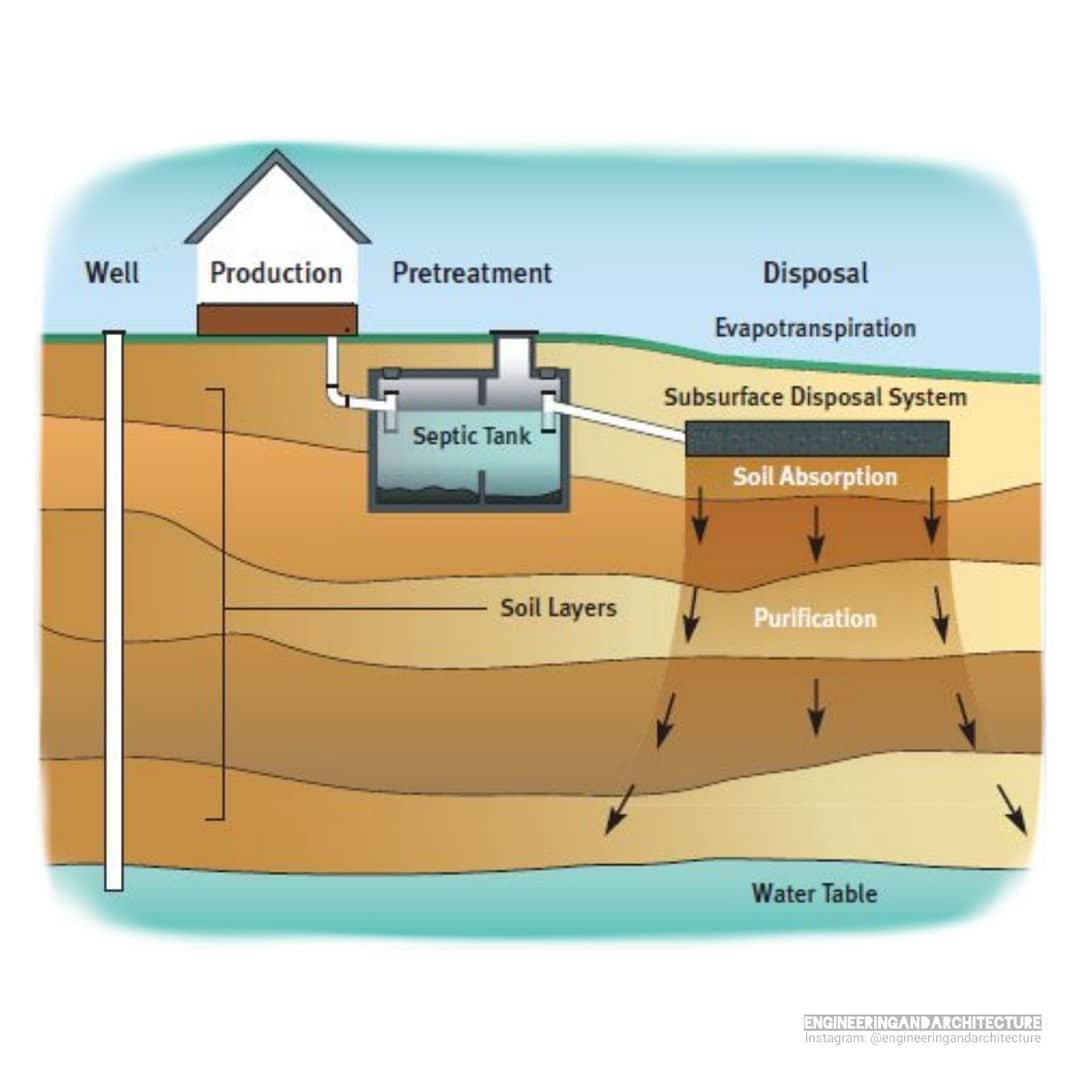
First things first, let's quickly understand how a septic system works. It's like a miniature wastewater treatment plant right in your backyard! Wastewater from your home flows into a septic tank, where solids settle to the bottom, forming sludge, while lighter materials like grease and oil rise to the top, forming scum.

After spending some time in the septic tank, the partially treated water is then discharged into a drain field (also known as a leach field) consisting of perforated pipes buried underground. This drain field allows the treated wastewater to filter through the soil, removing any remaining contaminants.

The Culprits: Why Your Septic Tank Might Be Stinky

Now, let's get to the root of the issue. Why are those odors infiltrating your home? The answer often lies in a few key factors:

1. A Full Septic Tank

Imagine your septic tank as a bathtub. When it gets full, it's bound to overflow, right? Similarly, when your septic tank becomes full, the solid waste and bacteria start decomposing, releasing those unpleasant odors. This is why regular septic tank pumping is crucial.

2. Drain Field Problems

The drain field is where the treated wastewater goes after the septic tank. If it becomes clogged or damaged, it can't filter the wastewater efficiently, leading to backups and those unwelcome odors. Tree roots growing into the drain field can also cause issues.

3. Leaky Pipes

If your plumbing system has leaks, particularly in the sewer line, it can create a pathway for those septic odors to seep into your home. It's like a hidden tunnel allowing those smells to infiltrate your space.

4. Vent Stack Issues

Every septic system has a vent stack, a pipe that extends above the roofline to release gases from the septic tank. If this vent stack becomes clogged or damaged, it can trap those gases, causing them to find their way into your home.

The Solution: How to Banish Septic Odors

Now that we've identified the culprits, let's get those septic smells out of your home! Here's a step-by-step approach:

1. Get Your Septic Tank Pumped

This is the most crucial step. Regular pumping prevents your tank from overflowing and minimizes the risk of odors. The frequency depends on your household size and water usage, but generally, pumping every 3-5 years is a good starting point.

2. Inspect the Drain Field

If your drain field isn't working properly, it can lead to backups and odors. A professional septic inspector can check for clogs, damage, or root intrusion. They might recommend repairs, replacements, or even adding a new drain field.

3. Fix Leaky Pipes

A leaking pipe in your plumbing system is a direct pathway for those odors. Get a plumber to inspect and repair any leaks you might have. It might save you a lot of trouble in the long run.

4. Check the Vent Stack

Make sure your vent stack is clear of debris and obstructions. If it's damaged, it might need to be repaired or replaced. This will ensure proper ventilation and prevent the buildup of gases.

5. Use Septic Tank Additives

Septic tank additives are formulated to break down waste, control odors, and promote a healthier septic system. Look for products that are safe for your septic system and follow the instructions carefully.

6. Preventative Measures

Here are some simple tips to prevent odors and keep your septic system running smoothly:

  • Avoid flushing anything other than toilet paper down the toilet. This includes wipes, paper towels, and feminine hygiene products.
  • Use less water-consuming appliances. Install low-flow showerheads and toilets to reduce the amount of wastewater entering your septic system.
  • Be cautious with harsh chemicals. Avoid pouring bleach, drain cleaners, and other harsh chemicals down the drain, as they can harm the beneficial bacteria in your septic tank.
  • Don't pour grease down the drain. It can solidify and create clogs in your septic tank and drain field.
  • Monitor your system. If you notice any unusual odors, changes in water flow, or signs of backups, get your septic system inspected by a professional.

Commonly Asked Questions

1. How Often Should I Pump My Septic Tank?

The frequency of septic tank pumping depends on your household size, water usage, and the size of your tank. A general rule of thumb is every 3-5 years, but it's best to consult a professional to determine the appropriate schedule for your specific needs.

2. What are Some Signs of Septic Tank Problems?

Besides those annoying odors, other signs include:

  • Slow draining toilets or sinks
  • Gurgling sounds in your plumbing system
  • Water bubbling up in your toilet bowl
  • Wet spots in your yard
  • Sewage backing up into your home

If you notice any of these signs, don't delay! Call a professional septic inspector to diagnose the issue and recommend a solution.

3. Can I Use Septic Tank Additives?

Yes, septic tank additives can be beneficial in maintaining your septic system. They can help break down waste, control odors, and promote a healthier environment for the beneficial bacteria in your tank. However, it's essential to choose additives that are specifically designed for septic systems and follow the instructions carefully.

4. How Do I Know If My Drain Field Is Clogged?

A clogged drain field can cause a number of issues, including backups and odors. Signs of a clogged drain field include:

  • Wet spots in your yard
  • Slow draining toilets or sinks
  • Sewage backups in your home

If you suspect a clogged drain field, it's crucial to call a professional for inspection and repair.

5. How Much Does It Cost to Pump a Septic Tank?

The cost of pumping a septic tank can vary depending on your location, the size of your tank, and the accessibility of the tank. It's best to get quotes from several septic service providers to compare prices and find the best option for your budget.

Remember, a well-maintained septic system is essential for a healthy and odor-free home. By following these tips and seeking professional help when needed, you can keep your septic system in top shape and avoid those unpleasant smells.

Share:

Rabu, 13 November 2024

DIY Septic Tank Maintenance: How to Create Your Own Treatment

DIY Septic Tank Maintenance: How to Create Your Own Treatment

DIY Septic Tank Maintenance: How to Create Your Own Treatment

Alright, let's talk septic tanks! You know that big, mysterious hole in the ground that handles all your household waste? Yeah, that one. It's actually pretty amazing how it breaks down everything you flush and send down the drain, but it needs a little TLC to keep running smoothly. You can definitely call in a professional, but hey, who doesn't love a good DIY project? This guide will walk you through the basics of septic tank maintenance, so you can keep your system humming without breaking the bank.

First things first, it's crucial to understand what's happening inside that tank. Think of it as a mini-ecosystem where bacteria are the real heroes. They break down the solids into sludge and the liquid into effluent. This effluent, or liquid, then flows into the leach field, a network of underground pipes that filters the wastewater before it returns to the environment. Now, that's a pretty efficient system, but it's important to keep things balanced.

This is where regular maintenance comes in. Think of it as your septic tank's annual checkup. You wouldn't want to skip your doctor's appointment, right? The same goes for your septic system.

The Importance of Routine Maintenance

Imagine this: You're driving your car and the engine starts sputtering. You know you haven't been changing the oil, and now you're paying the price. Same goes for your septic tank. Without regular maintenance, things can get messy (literally!), and those bacteria that are doing all the hard work might start to struggle. This can lead to clogs, backups, and even system failure. Trust me, you don't want to deal with a clogged septic tank. It's not a pleasant experience!

Regular maintenance is your key to preventing those issues. Think of it as keeping things running smoothly and efficiently. A little bit of attention goes a long way.

Here's what you need to do for basic DIY septic tank maintenance:

  • Pump It Up!: One of the most important steps in septic tank maintenance is pumping out the sludge. Think of this like emptying the trash can; you don't want it to overflow, right? The recommended frequency for pumping depends on your household size and usage, but typically every 3-5 years is a good starting point. If you have a large family or are a frequent entertainer, you might need to pump more often.
  • Inspect the System: Take a walk around your septic system and look for any signs of trouble. Are there any cracks in the tank or pipes? Is there any drainage or pooling around the system? Any signs of damage should be addressed immediately.
  • Be Mindful of What You Flush: This is a big one! Don't treat your toilet like a garbage disposal. Certain items can wreak havoc on your septic system. Things like grease, oil, coffee grounds, and even excessive paper towels can clog your pipes and cause a mess. Stick to the basics - toilet paper and human waste.
  • Don't Overdo It: Your septic system is not a washing machine! Using too much laundry detergent, especially those with harsh chemicals, can disrupt the delicate bacterial balance in your tank. Opt for eco-friendly detergents and use the recommended amount.
  • Maintain the Leach Field: The leach field is like the lungs of your septic system. It's important to keep the area around it clear of any obstructions, like trees, shrubs, or heavy landscaping. This ensures proper drainage and prevents any buildup.
  • Consider Septic Tank Additives: These can be a great way to help maintain the health of your bacteria and break down waste more efficiently. Look for additives that contain beneficial bacteria and enzymes.

Creating Your Own Treatment: Septic Tank Additives

Now, let's dive into the world of DIY septic tank treatments. While a professional can certainly help you with a more complex approach, you can also create your own natural, effective solution at home. It's all about utilizing the power of beneficial bacteria and enzymes.

Here's how you can create your own treatment using everyday ingredients:

The Basic Recipe

  • Yeast: This is a natural source of beneficial bacteria that helps break down organic matter. You can use active dry yeast, found in most grocery stores.
  • Sugar: This provides food for the yeast, allowing them to thrive and multiply. Use granulated white sugar, but you can also experiment with brown sugar or even honey.
  • Water: This is essential for activating the yeast and creating a solution that can easily be poured into your septic tank.

Instructions for Making Your Septic Tank Treatment

1. In a large container, mix together 1 cup of active dry yeast and 1 cup of sugar.

2. Add 1 gallon of warm water to the container and stir until the yeast and sugar are fully dissolved.

3. Allow the mixture to sit for about 30 minutes, giving the yeast a chance to activate.

4. Once the mixture is bubbly and frothy, you're ready to pour it into your septic tank.

5. Slowly pour the mixture into the tank, making sure to avoid spilling any on the surrounding ground.

6. Repeat this process every 2-3 months to maintain the balance of bacteria in your septic system.

Additional Tips for DIY Septic Tank Treatment

  • Experiment with Different Ingredients: You can add other ingredients to your treatment, such as molasses, baking soda, or even chopped-up fruit peels. These additions can help boost the effectiveness of your mixture.
  • Avoid Chemicals: Don't add any harsh chemicals or cleaning products to your septic tank. These can kill off the beneficial bacteria and harm your system.
  • Start Small: If you're new to DIY septic tank treatments, start with a smaller batch to see how your system reacts. You can always increase the amount as needed.
  • Listen to Your System: Pay attention to the flow of your drains. If you notice any slow drainage or clogs, consider increasing the frequency of your treatments.

Important Notes

Remember, these DIY tips are just a starting point. If you have concerns about your septic system or are dealing with major issues, don't hesitate to contact a qualified septic professional. They can provide expert advice and ensure your system is functioning properly.

Taking care of your septic tank is essential for maintaining a clean and healthy home. By following these DIY tips, you can keep your system running smoothly and avoid costly repairs. So go ahead, grab your ingredients and get started on your own septic tank treatment! Your home, and your wallet, will thank you for it.

Share:

DIY Septic Tank Maintenance: How to Create Your Own Treatment

DIY Septic Tank Maintenance: How to Create Your Own Treatment

DIY Septic Tank Maintenance: How to Create Your Own Treatment

Alright, let's talk septic tanks! You know that big, mysterious hole in the ground that handles all your household waste? Yeah, that one. It's actually pretty amazing how it breaks down everything you flush and send down the drain, but it needs a little TLC to keep running smoothly. You can definitely call in a professional, but hey, who doesn't love a good DIY project? This guide will walk you through the basics of septic tank maintenance, so you can keep your system humming without breaking the bank.

First things first, it's crucial to understand what's happening inside that tank. Think of it as a mini-ecosystem where bacteria are the real heroes. They break down the solids into sludge and the liquid into effluent. This effluent, or liquid, then flows into the leach field, a network of underground pipes that filters the wastewater before it returns to the environment. Now, that's a pretty efficient system, but it's important to keep things balanced.

This is where regular maintenance comes in. Think of it as your septic tank's annual checkup. You wouldn't want to skip your doctor's appointment, right? The same goes for your septic system.

The Importance of Routine Maintenance

Imagine this: You're driving your car and the engine starts sputtering. You know you haven't been changing the oil, and now you're paying the price. Same goes for your septic tank. Without regular maintenance, things can get messy (literally!), and those bacteria that are doing all the hard work might start to struggle. This can lead to clogs, backups, and even system failure. Trust me, you don't want to deal with a clogged septic tank. It's not a pleasant experience!

Regular maintenance is your key to preventing those issues. Think of it as keeping things running smoothly and efficiently. A little bit of attention goes a long way.

Here's what you need to do for basic DIY septic tank maintenance:

  • Pump It Up!: One of the most important steps in septic tank maintenance is pumping out the sludge. Think of this like emptying the trash can; you don't want it to overflow, right? The recommended frequency for pumping depends on your household size and usage, but typically every 3-5 years is a good starting point. If you have a large family or are a frequent entertainer, you might need to pump more often.
  • Inspect the System: Take a walk around your septic system and look for any signs of trouble. Are there any cracks in the tank or pipes? Is there any drainage or pooling around the system? Any signs of damage should be addressed immediately.
  • Be Mindful of What You Flush: This is a big one! Don't treat your toilet like a garbage disposal. Certain items can wreak havoc on your septic system. Things like grease, oil, coffee grounds, and even excessive paper towels can clog your pipes and cause a mess. Stick to the basics - toilet paper and human waste.
  • Don't Overdo It: Your septic system is not a washing machine! Using too much laundry detergent, especially those with harsh chemicals, can disrupt the delicate bacterial balance in your tank. Opt for eco-friendly detergents and use the recommended amount.
  • Maintain the Leach Field: The leach field is like the lungs of your septic system. It's important to keep the area around it clear of any obstructions, like trees, shrubs, or heavy landscaping. This ensures proper drainage and prevents any buildup.
  • Consider Septic Tank Additives: These can be a great way to help maintain the health of your bacteria and break down waste more efficiently. Look for additives that contain beneficial bacteria and enzymes.

Creating Your Own Treatment: Septic Tank Additives

Now, let's dive into the world of DIY septic tank treatments. While a professional can certainly help you with a more complex approach, you can also create your own natural, effective solution at home. It's all about utilizing the power of beneficial bacteria and enzymes.

Here's how you can create your own treatment using everyday ingredients:

The Basic Recipe

  • Yeast: This is a natural source of beneficial bacteria that helps break down organic matter. You can use active dry yeast, found in most grocery stores.
  • Sugar: This provides food for the yeast, allowing them to thrive and multiply. Use granulated white sugar, but you can also experiment with brown sugar or even honey.
  • Water: This is essential for activating the yeast and creating a solution that can easily be poured into your septic tank.

Instructions for Making Your Septic Tank Treatment

1. In a large container, mix together 1 cup of active dry yeast and 1 cup of sugar.

2. Add 1 gallon of warm water to the container and stir until the yeast and sugar are fully dissolved.

3. Allow the mixture to sit for about 30 minutes, giving the yeast a chance to activate.

4. Once the mixture is bubbly and frothy, you're ready to pour it into your septic tank.

5. Slowly pour the mixture into the tank, making sure to avoid spilling any on the surrounding ground.

6. Repeat this process every 2-3 months to maintain the balance of bacteria in your septic system.

Additional Tips for DIY Septic Tank Treatment

  • Experiment with Different Ingredients: You can add other ingredients to your treatment, such as molasses, baking soda, or even chopped-up fruit peels. These additions can help boost the effectiveness of your mixture.
  • Avoid Chemicals: Don't add any harsh chemicals or cleaning products to your septic tank. These can kill off the beneficial bacteria and harm your system.
  • Start Small: If you're new to DIY septic tank treatments, start with a smaller batch to see how your system reacts. You can always increase the amount as needed.
  • Listen to Your System: Pay attention to the flow of your drains. If you notice any slow drainage or clogs, consider increasing the frequency of your treatments.

Important Notes

Remember, these DIY tips are just a starting point. If you have concerns about your septic system or are dealing with major issues, don't hesitate to contact a qualified septic professional. They can provide expert advice and ensure your system is functioning properly.

Taking care of your septic tank is essential for maintaining a clean and healthy home. By following these DIY tips, you can keep your system running smoothly and avoid costly repairs. So go ahead, grab your ingredients and get started on your own septic tank treatment! Your home, and your wallet, will thank you for it.

Share:

How to Clean Your Septic Tank After a Clog or Overflow

How to Clean Your Septic Tank After a Clog or Overflow

How to Clean Your Septic Tank After a Clog or Overflow

A septic tank is an essential part of your home's wastewater system. It's responsible for treating wastewater from your home, separating solids from liquids, and allowing the liquid to be discharged into a drainage field. However, like any system, septic tanks can experience problems, such as clogs and overflows. These issues can be unpleasant and costly to deal with, but taking proactive steps to clean your septic tank after a clog or overflow can help prevent future problems and maintain the health of your system.

This article will guide you through the process of cleaning your septic tank after a clog or overflow, from identifying the problem to choosing the right tools and techniques. We will cover key considerations such as safety precautions, proper disposal of waste, and best practices for preventing future issues. By following the steps outlined in this comprehensive guide, you can effectively clean your septic tank and restore its functionality.

Understanding the Problem

Before diving into the cleaning process, it's crucial to understand the root cause of the clog or overflow. Identifying the problem will guide you towards the most effective cleaning method and help prevent future issues.

Common Causes of Septic Tank Clogs and Overflows

Several factors can contribute to clogs and overflows in your septic tank, including:

  • Excess Grease and Oil: These substances can solidify and accumulate in the tank, obstructing the flow of wastewater.
  • Large Solids: Items like diapers, wipes, and feminine hygiene products are not biodegradable and can cause clogs if they enter the system.
  • Tree Roots: Roots can penetrate the septic tank or leach field, causing blockages.
  • Sediment Buildup: Over time, sediment naturally accumulates in the tank, reducing its capacity.
  • Improper Installation or Maintenance: Issues with the tank's design, age, or lack of regular pumping can contribute to clogs.

Assessing the Damage

Once you've identified the probable cause of the clog or overflow, it's time to assess the extent of the damage. This will help you determine the best approach to cleaning the tank.

Signs of a Clogged Septic Tank

Here are some signs that indicate a clog in your septic tank:

  • Slow-draining drains or toilets
  • Gurgling sounds from drains
  • Sewage backup in sinks, tubs, or toilets
  • A foul odor coming from the drain field
  • Pooling water around the septic tank or leach field

Signs of a Septic Tank Overflow

The following signs are indicative of a septic tank overflow:

  • Raw sewage visible on the ground near the tank
  • A strong, unpleasant sewage odor in the air
  • Visible sewage backing up into your house
  • Pooling water around the tank that smells like sewage

Safety Precautions

Before tackling any septic tank cleaning, prioritize your safety by adhering to these essential precautions:

  • Wear Protective Gear: Always wear rubber gloves, boots, and eye protection to prevent contact with contaminated waste.
  • Ventilate the Area: Ensure adequate ventilation by opening windows and doors. The fumes from a septic tank can be harmful.
  • Never Work Alone: Have someone else present in case of an emergency.
  • Avoid Contact with Waste: Never directly touch or inhale the contents of the septic tank.
  • Inspect the Tank Before Accessing it: Look for any signs of damage, cracks, or leaks before opening the tank.

Cleaning the Septic Tank

Cleaning a septic tank after a clog or overflow involves a combination of manual removal, chemical treatment, and, in some cases, professional assistance.

Step 1: Locate and Access the Tank

The first step is to locate the septic tank lid. It's usually marked with a concrete slab or a metal cover. If you're unsure of its location, refer to your home's building plans or contact your local utility company for assistance. Once located, safely remove the lid, using a tool designed for this purpose.

Step 2: Remove Solids and Sludge

Depending on the severity of the clog and the amount of accumulated sludge, you may need to manually remove solids and sludge from the septic tank. This can be done using a bucket, scoop, or a specialized septic tank pump. Avoid removing too much of the liquid portion of the tank, as it contains helpful bacteria for proper treatment.

Step 3: Clean the Tank Walls and Bottom

Once you've removed as much sludge as possible, use a brush or scraper to clean the inside walls and bottom of the septic tank. This helps remove any remaining debris and prevents further clogs. Be cautious when cleaning the walls to avoid disturbing the liquid level in the tank.

Step 4: Treat the Tank with Chemicals (Optional)

Septic tank treatment chemicals can help break down solids, reduce odors, and improve the overall performance of the tank. Follow the instructions provided with the chosen chemicals carefully, and ensure they are compatible with your specific septic tank type. However, using chemicals should be a last resort, as they may not always be the most effective solution and can potentially harm the beneficial bacteria in the tank.

Step 5: Replace the Tank Lid and Dispose of Waste

After cleaning the tank, ensure you replace the lid securely and dispose of the waste properly. Waste from a septic tank can be hazardous, so contact your local waste management facility or a licensed septic tank service for guidance on disposal methods. Never dump septic tank waste into storm drains, rivers, or lakes.

Professional Assistance

While cleaning your septic tank after a clog or overflow might seem like a DIY project, it's often best to consult with a qualified septic tank service for larger or more complex situations.

Benefits of Hiring a Septic Tank Service

Here are some reasons why you might want to consider hiring a professional:

  • Expertise and Experience: Septic tank services have the specialized knowledge and experience to handle complex issues.
  • Proper Equipment: They have access to powerful pumps and equipment for efficient and safe removal of waste.
  • Safety Assurance: Professionals understand the hazards involved and prioritize safety during the cleaning process.
  • Waste Disposal: They handle proper disposal of septic waste, complying with all local regulations.

Preventing Future Issues

Once your septic tank is clean, it's essential to implement preventive measures to avoid future clogs and overflows.

Preventive Maintenance Practices

Here are some practices you can follow:

  • Regular Pumping: Schedule routine septic tank pumping every 3-5 years, or more frequently if needed. This ensures proper waste removal and prevents sludge buildup.
  • Proper Waste Disposal: Avoid flushing non-biodegradable items like wipes, diapers, and feminine hygiene products down the toilet.
  • Minimize Grease and Oil: Use grease traps to prevent excess grease and oil from entering the system.
  • Inspect the Drain Field: Look for signs of water pooling, vegetation growth, or cracks in the leach field. Repair any issues promptly.
  • Avoid Overloading: Don't run too many appliances that use water simultaneously. This can put stress on the system.
  • Prevent Root Intrusion: Trim trees and shrubs that are growing near the septic tank and drain field to prevent roots from penetrating the system.

Conclusion

Cleaning your septic tank after a clog or overflow is a necessary task for maintaining a healthy wastewater system and preventing unpleasant and costly issues. By following the steps outlined in this guide, you can effectively remove debris, sludge, and solids from your tank, restoring its functionality and preventing future problems. Remember to prioritize safety, use the proper equipment, and consider professional assistance when needed. Implement preventive maintenance practices to keep your septic tank running smoothly and avoid costly repairs down the road.

Share:

Septic Tank Odor After Rain: What You Can Do to Fix It

Septic Tank Odor After Rain: What You Can Do to Fix It

Septic Tank Odor After Rain: What You Can Do to Fix It

So, you’ve just stepped outside after a downpour and BAM, that unmistakable septic tank smell hits you right in the face. Not exactly the fresh, clean air you were hoping for, right? Don’t worry, you’re not alone. This is a common problem, and it’s usually not a sign of a major disaster.

The good news is, there are a few things you can do to deal with this smelly situation, and they don’t all require calling in a professional right away. We’re going to break it down step by step, covering everything from the basics to more advanced solutions. Let’s get started!

Why Does Rain Make My Septic Tank Smell?

Think of your septic system like a tiny city. There’s a wastewater treatment plant (the tank), pipes that carry the sewage (the streets), and a place where the treated water is released back into the environment (the drain field). When it rains, the water infiltrates the soil around the drain field, causing the groundwater levels to rise. If your drain field is already saturated or not properly designed, this excess water can put pressure on the system and force wastewater back up into the tank. This can create a backup, which is what leads to the smell.

Don’t Panic! Let’s Troubleshoot

Before you start calling plumbers, let’s investigate the situation a bit. Here are some common culprits:

  • Overloaded System: The most likely reason for septic tank odor after rain is simply that your tank is full. The more water it receives, the more wastewater it has to handle. When the tank is nearing capacity, it's much easier for odors to escape.
  • Clogged Drain Field: Sometimes, the drain field itself can become clogged with debris or simply not be able to handle the increased flow during heavy rain. This can cause wastewater to back up into the tank, leading to odor.
  • Broken or Leaking Pipes: A crack or hole in the pipes leading to your septic tank or drain field can also allow odors to escape, especially after rain.
  • Poor Ventilation: If your septic tank doesn’t have proper ventilation, the gases that build up inside can escape through other areas, like vents, drains, or even through the ground.
  • Improper Installation: Sometimes, the problem lies in the initial installation of the system. If it wasn’t done correctly, the drain field might not be able to handle the wastewater flow properly, leading to odor.

DIY Solutions to Banish the Smell

Now that you’ve got a bit of insight into what might be going on, let’s explore some things you can do to tackle the odor yourself.

1. Check Your Septic Tank

Your first step should be to assess the situation. Check your tank for signs of overflow or backup. Look for any visible cracks or leaks in the tank itself or the pipes leading to and from it.

2. Pump Your Tank

If you haven’t had your tank pumped in a while, chances are it’s getting full. Pumping the tank regularly is a key part of septic system maintenance. Aim to pump it every 2-3 years, but it’s always good to consult with a professional to determine the right pumping schedule for your household size and usage.

3. Consider Using a Septic Tank Additive

Septic tank additives are a popular, easy way to try to control odor. They work by introducing bacteria to your tank, helping to break down waste and reduce the amount of gas produced.

Be sure to choose a product that is specifically designed for septic systems and follow the instructions carefully. Don’t use anything that could harm the beneficial bacteria in your system, like harsh chemicals or bleach.

4. Address Any Drainage Issues

If you think your drain field might be overloaded, take a look at your yard and surrounding area. Look for any pooling water or areas where the ground is particularly wet, even after it hasn’t rained for a while. This might indicate a drainage problem. You can try improving drainage by ensuring downspouts are directed away from the septic system, creating a small ditch to channel water away, or consulting a professional about adding a French drain.

5. Check Your Vents

Make sure your tank’s vent pipe is clear and unobstructed. A clogged vent can trap gases and force them to escape elsewhere. If you find any obstructions, clean them out. If the vent pipe is damaged or too short, you might need to have it repaired or replaced by a professional.

When to Call a Professional

Even if you’ve tried some DIY solutions, the problem might persist. If you notice any of these signs, it’s time to call a professional:

  • The smell is persistent and strong, even after you’ve tried to fix it.
  • The problem is getting worse, even after pumping the tank.
  • You see sewage backing up into your house.
  • You see signs of significant damage to your septic system, such as cracks or leaks in the tank or pipes.
  • Your yard is constantly wet and soggy, even when it hasn’t rained.

Preventative Measures for a Odor-Free Future

The best way to deal with septic tank odor is to prevent it in the first place. Here’s how:

  • Regular Maintenance: Pumping your tank every 2-3 years is a must. But it’s not just about pumping. You should also check the system for leaks or damage, and consider using septic tank additives to keep things running smoothly.
  • Use Water Wisely: The less water you use, the less work your septic system has to do. This means taking shorter showers, fixing leaks promptly, and being mindful of your water usage when doing laundry and dishes.
  • Avoid Flushing Troublesome Items: This seems obvious, but you’d be surprised how often people flush things down the toilet that shouldn’t be there. These include wipes (even those labeled “flushable”), feminine hygiene products, paper towels, and even large amounts of food scraps. These items can clog your system and cause backups.
  • Keep Heavy Traffic Away from the Drain Field: The drain field needs to be able to breathe, so make sure you don’t park vehicles, build structures, or plant large trees on top of it.
  • Don’t Use Harsh Chemicals: Chemicals like bleach and cleaners can kill the beneficial bacteria in your septic system, making it less efficient. Stick to natural cleaners or septic-safe products.

Dealing with septic tank odor after rain can be annoying, but it’s not usually a cause for major concern. By following the steps above, you can usually solve the problem yourself, or at least pinpoint what needs to be addressed. And by keeping up with preventative measures, you can keep your septic system happy and odor-free.

Happy plumbing!

Share:

How Environmental Factors Contribute to Outdoor Septic Smells

How Environmental Factors Contribute to Outdoor Septic Smells

Environmental Factors Contributing to Outdoor Septic Smells

The presence of unpleasant odors emanating from an outdoor septic system is a common concern for many homeowners. While septic systems are designed to effectively treat wastewater, various environmental factors can influence the efficiency of the system and contribute to the release of foul smells.

Understanding these environmental factors is crucial for effective odor control and maintaining a healthy and pleasant outdoor environment. This article delves into the environmental factors that contribute to septic smells, providing insights into their impact on system performance and offering practical solutions for mitigating these issues.

Climate and Temperature

Climate and temperature play a significant role in septic system performance, particularly in regions experiencing extreme weather conditions.

High Temperatures

During hot summer months, elevated temperatures can accelerate the decomposition process in the septic tank, leading to an increased production of gases, including hydrogen sulfide, ammonia, and methane, which are responsible for the characteristic septic odor. The elevated temperature also increases the rate of evaporation of wastewater, potentially resulting in a stronger odor.

Low Temperatures

Conversely, low temperatures during winter can slow down the decomposition process in the septic tank. This can lead to the accumulation of organic matter and an increase in sludge levels, further contributing to odor production. The cold weather can also cause the leach field to become less effective in filtering wastewater, as the soil microbes responsible for this process become less active.

Rainfall and Groundwater Levels

Rainfall and groundwater levels have a direct impact on the operation of a septic system. These factors can influence the amount of water entering the system and the ability of the leach field to properly filter wastewater.

Excessive Rainfall

Heavy rainfall can overwhelm the septic system, leading to a surge in water levels in the tank. This can cause the system to become overloaded and potentially cause backups and overflow, resulting in unpleasant smells.

Low Rainfall and Groundwater

Conversely, prolonged periods of low rainfall and reduced groundwater levels can lead to dry conditions in the leach field. This can make it difficult for the soil to adequately absorb and filter wastewater, potentially causing odors to emanate from the leach field area.

Soil Conditions and Topography

The type of soil and the topography of the land where the septic system is located are crucial factors influencing system performance. These factors can affect the rate of drainage, the absorption of wastewater, and the potential for odors to accumulate.

Soil Type

Septic systems require well-draining soils that allow for the efficient absorption of wastewater. Soils with a high clay content tend to be poorly draining and can lead to waterlogging in the leach field, hindering the filtering process and contributing to odors. Conversely, sandy soils drain quickly, potentially resulting in the wastewater not being sufficiently filtered before reaching groundwater, leading to odor problems.

Topography

The slope of the land can also affect drainage and the effectiveness of the leach field. If the leach field is located on a steep slope, the wastewater may drain too quickly, leading to incomplete filtration. On the other hand, a flat or slightly sloped area may promote waterlogging in the leach field, hindering drainage and potentially leading to odors.

Vegetation and Landscaping

The vegetation and landscaping surrounding the septic system can also play a role in odor production. Certain plants and trees can thrive in the moist conditions of a leach field, potentially hindering drainage and contributing to unpleasant smells.

Trees and Roots

Tree roots can grow into the septic system, damaging the pipes and potentially blocking the flow of wastewater. This can lead to backups and overflow, resulting in strong odors. It is crucial to maintain a buffer zone around the septic system, free of trees and large shrubs.

Dense Vegetation

Dense vegetation in and around the leach field can create an environment that is both moist and shaded. These conditions can hinder the decomposition process in the soil, making it difficult for the leach field to effectively filter wastewater and potentially contributing to odor problems. Regularly trimming back vegetation and maintaining a clear area around the leach field can help to improve drainage and ventilation.

Animal Activity and Wildlife

Animal activity and wildlife can also contribute to septic smells. Animals such as raccoons, possums, and rodents may be attracted to the scent of wastewater and may try to access the septic tank or leach field, potentially causing damage to the system. This damage can disrupt the filtration process, resulting in foul odors.

Septic System Maintenance and Operation

While environmental factors play a significant role in septic odor problems, the maintenance and operation of the system are equally important. Regular maintenance ensures that the system is functioning optimally and helps to minimize odor production.

Regular Pumping

The septic tank should be pumped out every 3-5 years, or more frequently if necessary, to remove accumulated sludge and scum. This prevents the buildup of organic matter that can contribute to odors.

Inspection and Repair

The system should be inspected regularly for signs of damage or malfunction. Any leaks or cracks in the pipes or tank should be repaired promptly to prevent wastewater from escaping and causing odors. It's important to note that septic systems are a complex system with various components that require professional inspection and maintenance. Regular checks can prevent problems before they escalate and help ensure the longevity of the system.

Water Usage

Be mindful of water usage and avoid overloading the system with excessive water. This can put a strain on the system and lead to backups and odor problems. Consider adopting water-saving measures and avoid unnecessary water usage to minimize the load on your septic system.

Solutions for Mitigating Septic Smells

Several solutions can help to mitigate the odor problems associated with outdoor septic systems.

Ventilation

Ensure that the septic tank has adequate ventilation. This allows for the release of gases and reduces the pressure buildup inside the tank, helping to minimize odors. Installing a properly sized vent pipe, extending it above the roofline, and ensuring it is free of obstructions can effectively improve ventilation.

Odor Neutralizers

Commercial odor neutralizers can be used to mask or eliminate unpleasant odors. These products typically contain enzymes or bacteria that break down the compounds responsible for the odor. However, it is crucial to use these products as directed and in accordance with local regulations, as some neutralizers can impact the effectiveness of the septic system. It is essential to address the underlying cause of the odor rather than simply masking it. Consult with a professional for guidance on the appropriate use of odor neutralizers.

Planting Buffer Zone

Establishing a buffer zone around the septic system can help to mitigate odor problems. Plant trees and shrubs that are not known to damage septic system pipes. These plants can help to absorb the odors and create a more aesthetically pleasing environment. Avoid planting trees and shrubs that have aggressive root systems, as they could damage the septic system and contribute to odor problems. Consult with a landscaping professional for guidance on appropriate plant choices for your buffer zone.

Drainage and Water Management

Improve the drainage around the septic system. This can help to prevent waterlogging and reduce the risk of odors. Consider installing a drainage system or improving the existing system to ensure proper water flow. This may involve grading the surrounding area or installing a French drain to redirect water away from the septic system.

Professional Evaluation

If odor problems persist, it is essential to consult with a qualified septic system professional. They can inspect the system, identify the source of the odors, and recommend appropriate solutions. They may also advise on the necessary maintenance, repairs, or upgrades to ensure the system is operating efficiently and minimizing odor production.

Understanding the environmental factors that contribute to septic smells is crucial for homeowners to maintain a healthy and pleasant outdoor environment. By addressing these factors, taking appropriate maintenance measures, and consulting with professionals when necessary, homeowners can effectively minimize odor problems and ensure the efficient operation of their septic systems.

Share:

Search This Blog

Diberdayakan oleh Blogger.

Pages

Blog Archive